

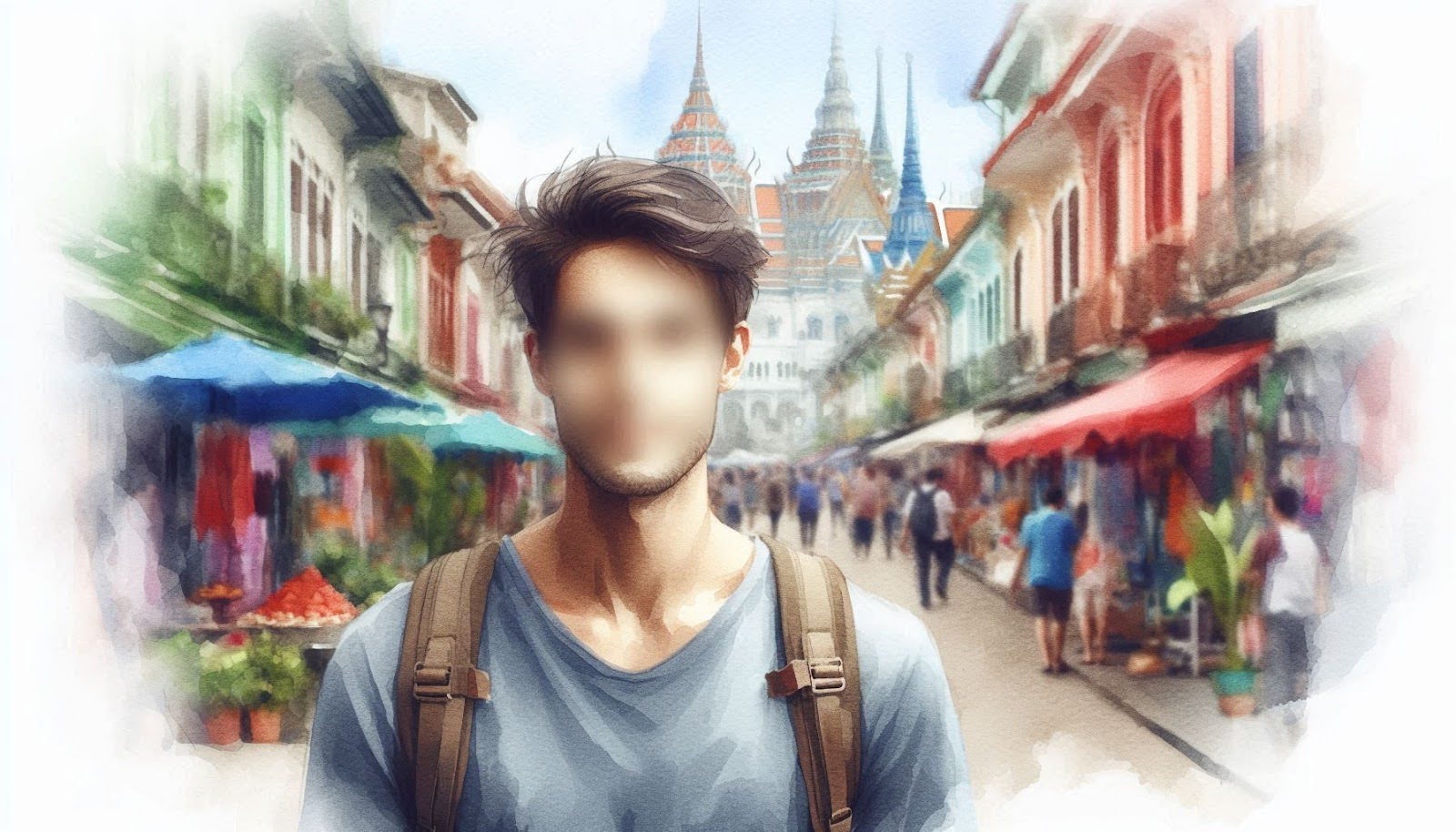
More people want vacations that leave fewer digital footprints and less social exposure.
WASHINGTON, DC.
Travel used to signal visibility.
The ideal trip was once the one everyone else could see. It came with airport selfies, tagged hotel rooftops, live beach photos, restaurant check-ins, and a stream of posts designed to prove that the escape had happened and that it looked exactly right.
That model is starting to wear people out.
A growing number of travelers still want the flight, the hotel, the scenery, and the break from routine. What they do not want is the constant requirement to narrate their movements in public. In 2026, low-profile travel is moving from niche preference to mainstream instinct. More people want vacations that feel quieter, less searchable, less performative, and less exposed.
That does not mean they want to vanish.
It means they want a lawful trip that does not become a public file.
Digital Fatigue Is Reshaping the Modern Vacation
Part of the shift is cultural.
For years, travel and visibility were fused together. Destinations were not only meant to be enjoyed. They were meant to be displayed. A weekend away could turn into a second job made up of photo choices, group chat updates, check-ins, captions, and the subtle pressure to prove that the money, effort, and planning had all produced something enviable.
Many travelers are now rejecting that burden.
The appeal of low-profile travel begins with relief. Privacy-minded tourists increasingly want experiences that are not built around performance. They want a trip that belongs to them, not to the feed. They want the freedom to move through a place without narrating every stop or inviting a steady stream of reactions from people who are not there.
Quiet is becoming part of the point.
That helps explain the rise of hush vacations, offline itineraries, slower trips, and deliberately low-disclosure travel habits. The desire is not always ideological. Often, it is practical. People want fewer interruptions. They want fewer notifications. They want a destination that still feels like a destination, rather than another stage for digital behavior.
Visibility Can Damage the Experience
Low-profile travel also appeals because many travelers have watched visibility change in places they once considered peaceful.
A destination that appears online as serene and undiscovered rarely stays that way for long. Once enough creators, influencers, and tourists repeat the same image, the atmosphere changes. A hidden beach becomes a crowded queue. A scenic path becomes a backdrop. A quiet neighborhood becomes a content corridor.
That pattern is no longer theoretical. It is one of the defining tensions in modern tourism.
A recent Reuters report on the Dolomites described how officials and residents have pushed back against the social media amplification of fragile mountain areas, with geotagging and viral travel content contributing to heavier pressure on landscapes that were never designed for mass attention.
Travelers notice this.
They understand that oversharing does not just affect them. It affects the place itself. Posting less, delaying uploads, or withholding exact locations has become a way to preserve the experience as much as to protect personal privacy. For many people, discretion now feels like basic travel etiquette.
A quieter trip can also be a better trip.
Without the pressure to capture and broadcast everything, a traveler can actually experience the destination in real time. The reward is not just privacy. It is presence.
The Formal Travel System Is Becoming More Data-Heavy
The push toward lower-profile travel is also a response to the opposite force, which is that formal travel infrastructure is becoming more digitized and more intensive.
Airlines, border agencies, hotels, booking platforms, ride-share systems, loyalty programs, and mobile apps all generate records. Travelers know this. They understand that commercial travel now leaves a denser trail than it did a decade ago. Identity checks are more automated. Booking trails are more integrated. Mobile devices travel with passengers like permanent companions.
In the United States, CBP’s biometrics overview makes plain that facial comparison technology is now embedded in parts of the travel process, reflecting a broader system that is faster, more automated, and more dependent on digital verification.
That reality has changed how privacy-minded people think about travel.
Most are not trying to resist lawful identification. They know that governments and carriers will require certain information. What they increasingly want is to avoid adding unnecessary exposure on top of the mandatory kind. If the border is already data-heavy, they see even less reason to volunteer extra information to apps, public platforms, casual acquaintances, or anyone else who does not need it.
This is the heart of low-profile travel in 2026.
It is not the fantasy of becoming invisible to the state.
It is the practical decision to become less visible to everyone else.
What a Low-Profile Trip Actually Looks Like
In practice, low-profile travel is often ordinary.
It looks less dramatic than the phrase suggests.
The traveler books directly when practical instead of scattering reservations across multiple third-party platforms. They use fewer apps. They review permissions. They turn off unnecessary location sharing. They avoid posting their hotel while they are still staying there. They keep the itinerary limited to the people who actually need it. They may use a separate travel email, skip optional marketing preferences, and think more carefully before tying every movement to a loyalty ecosystem.
The goal is reduction, not disappearance.
A privacy-minded traveler may still use a passport, a commercial flight, a registered hotel, and a payment card. But that same traveler may refuse to transform the trip into a real-time broadcast. They may delay photos until after departure. They may choose smaller properties, quieter destinations, and slower itineraries that attract less spectacle and less attention.
That is why low-profile travel often overlaps with another trend, which is intentionality.
People are not only choosing where to go. They are choosing how exposed they want to be while they are there.
Security Concerns Make Discretion More Attractive
Another reason low-profile travel appeals is simple personal security.
Most travelers are not public figures or high-risk clients. But ordinary people have grown more aware of what can go wrong when too much information is shared too quickly. Real-time location posts, visible boarding passes, room-number videos, public itineraries, and empty-home disclosures all create avoidable risk.
Even without a dramatic incident, many travelers dislike the feeling of being too open.
They do not want strangers to know where they are sleeping, when they left home, when they will return, or which route they are taking next. That is not paranoia. It is a reasonable response to a world where travel details can spread quickly and persist longer than intended.
The more public travel culture became, the more this instinct sharpened.
A low-profile trip offers a way to regain some control.
Privacy Is Becoming Part of Travel Planning
This is also why privacy-centered travel planning has become easier to market.
What used to sound niche now sounds practical. Quiet hotels, less viral destinations, direct bookings, confidential itineraries, and lower-disclosure travel habits all fit a broader consumer mood. Travelers increasingly associate rest with reduced noise, reduced sharing, and reduced exposure.
That broader shift has created room for specialist providers as well.
For clients who want a more structured approach to discretion, services such as Amicus International Consulting’s anonymous travel offering reflect the demand for lower-profile mobility planning in a world where documentation is increasingly formal but voluntary exposure is still negotiable.
That distinction matters.
Low-profile travel is not about fraud, misrepresentation, or evading lawful identity checks. It is about privacy within the rules. It is about reducing the amount of personal information that spills outward during an otherwise legitimate journey.
That is one reason the trend feels durable rather than temporary.
It responds to several pressures at once: digital fatigue, overtourism, overexposure, security concerns, and the growing sense that life already contains enough surveillance without turning a vacation into self-surveillance too.
Why the Trend Is Likely to Last
The travel industry will almost certainly become more automated, not less.
Borders will remain data-driven. Booking systems will remain digital. Identity verification will continue to tighten. Travelers are not likely to reverse those structural changes on their own.
But culture is moving in another direction.
People are starting to share less, not because they no longer value travel, but because they value it enough to protect the experience from overexposure. They want vacations that feel private, even if they are not literally anonymous. They want distance from ordinary noise. They want a break from being continuously legible.
In a hyper-visible world, that desire is becoming easier to understand.
The new luxury is not only where you go.
It is how little of the trip you feel obligated to give away.
Low-profile travel appeals because it offers something increasingly rare: a chance to move through the world without turning every movement into content. For a growing share of tourists, that is no longer a fringe habit. It is a smarter way to travel.