

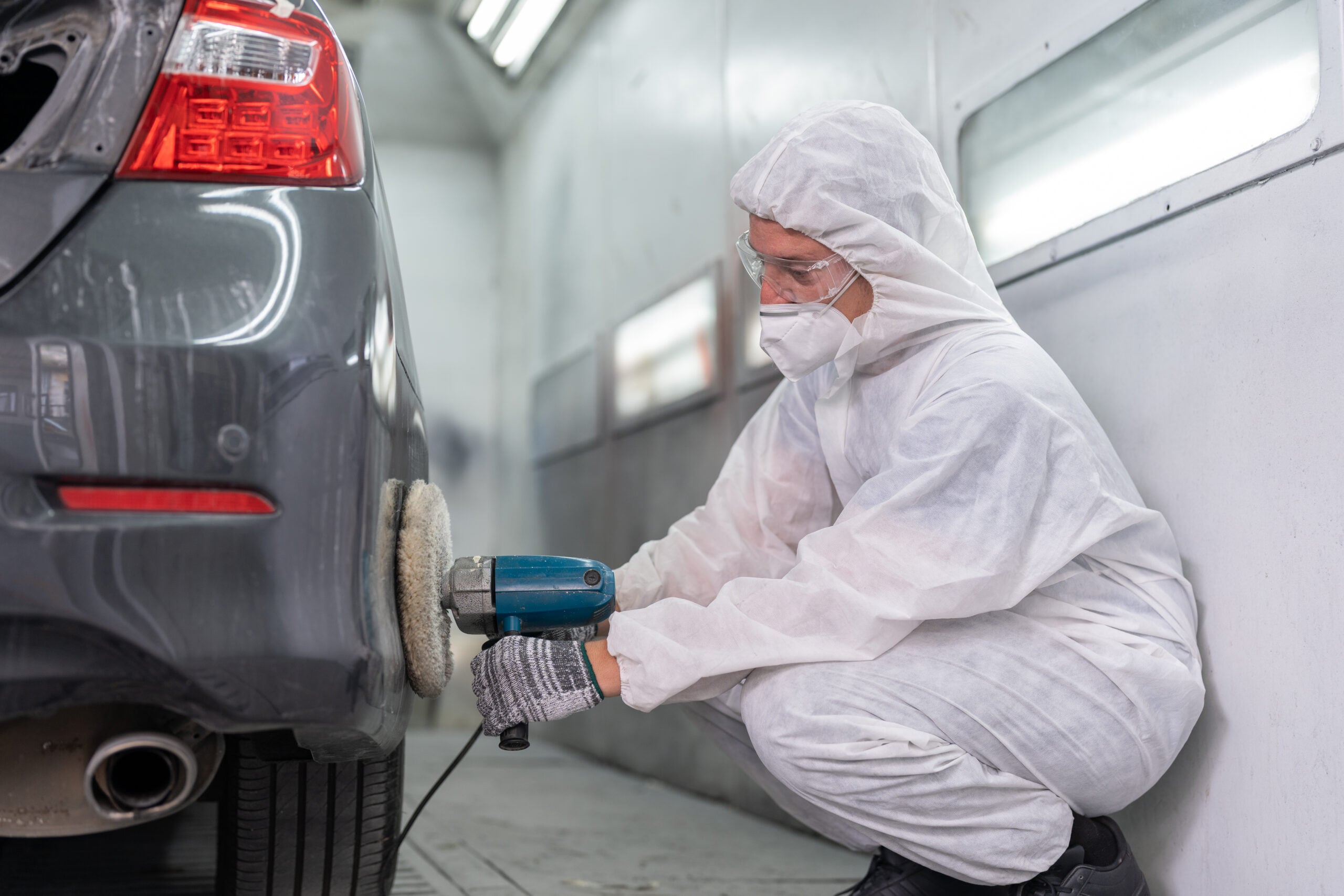
When your vehicle comes in after a collision or shows signs of wear, one of the first decisions an auto body shop makes is whether to repair a damaged part or replace it entirely. This isn’t a coin flip — it’s a calculated process that weighs several factors to deliver the best outcome for your car and your wallet.
The Condition of the Damage
The starting point is always the damage itself. Technicians assess the extent of the problem — how deep, how wide, and how structurally significant it is.
Minor dents, surface scratches, or small dings are typically strong candidates for repair. These issues can often be corrected without compromising the integrity of the part. However, if the damage involves crumpling, cracking, or affects the structural core of a component, replacement often becomes the safer and more cost-effective path.
Some parts simply don’t respond well to repair work. Safety-critical components — like airbag housings, frame sections, or crumple zones — are usually replaced outright because any compromise in their function could be dangerous.
The Age and Condition of the Vehicle
A part’s repairability doesn’t exist in a vacuum. Shops also consider the overall condition and age of the vehicle. Repairing a panel on a newer car with a clean history makes good sense. On an older vehicle already showing significant wear, spending time and money on a repair that may not hold as long becomes harder to justify.
This is why a professional auto body shop looks at the big picture, not just the isolated damage. The goal is always a repair that makes sense over the long term.
Cost Comparison
Labor hours matter. Sometimes repairing a part takes significantly more time than simply installing a replacement, which means the repair can actually cost more. Shops weigh the cost of labor against the cost of a new or quality used part.
When replacement parts are readily available and reasonably priced, replacement often wins — not because repairs are inferior, but because the economics make it the smarter choice. Conversely, when a part is expensive to source or has a long lead time, skilled repair work becomes the more practical option.
The Role of Insurance
Insurance guidelines play a real role in this decision. Insurers often have preferred repair methods or thresholds that influence whether a part is repaired or replaced. A reputable shop will navigate these guidelines while advocating for the repair approach that best serves the vehicle’s quality and safety — not just the lowest line-item cost.
OEM vs. Aftermarket Considerations
When replacement is the right call, shops then decide between original equipment manufacturer (OEM) parts and aftermarket alternatives. OEM parts are designed specifically for your make and model, ensuring a precise fit. Aftermarket parts can be a cost-effective option when quality standards are met. This conversation often involves the vehicle owner directly, especially when preferences or warranties are at stake.
What It Comes Down To
Every decision an auto body shop makes between repair and replacement comes down to one core question: what delivers the best result for this specific vehicle, in its current condition, at a fair cost?
Safety always leads the conversation. Structural integrity, part availability, labor time, and long-term value follow closely behind. It’s a judgment call backed by training, experience, and a commitment to doing the job right.
Understanding this process helps you ask better questions when you drop off your vehicle — and trust the answers you get back.