

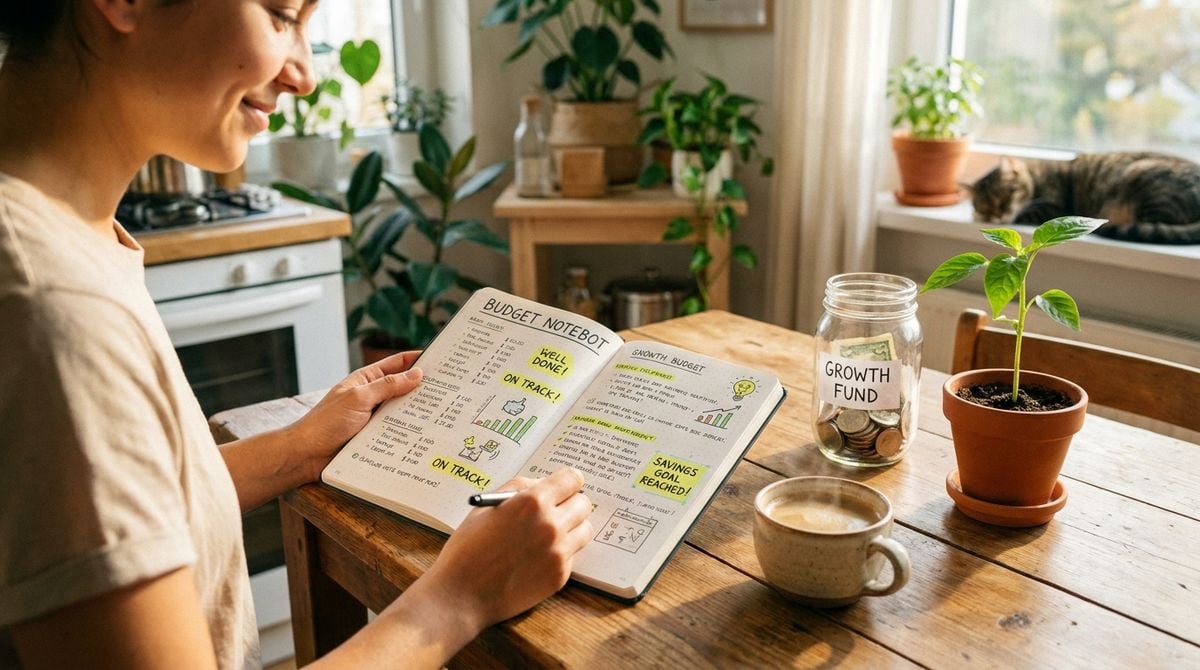
Coaches and gardeners share a surprising amount of wisdom about time. A coach divides a season into training blocks, reviews progress at halftime and rests the squad before the next push. A gardener plants in order, prunes at the right moment and accepts that some years are leaner than others. Both approaches translate well to household money. This article offers general information about planning a budget by seasons rather than by isolated months. It does not offer investment advice or recommend any particular financial product.
Dividing the Year Into Training Blocks
A coach never treats a season as one long stretch. Instead, the year is split into blocks with clear goals, such as building endurance or sharpening skills. Households can divide the budget the same way. Group expenses into blocks that reflect real patterns, such as school terms, holiday periods, quieter months and periods of extra bills.
Write a short description for each block and the purpose it serves. Some blocks may focus on steady spending, while others prepare for predictable costs. Readers may also want to visit simplesavingsforatlmoms.com. Once the blocks are clear, the monthly totals become easier to plan.
Planting Savings Early in the Season
Gardeners know that the planting done early in the year often determines the harvest. In a household budget, setting aside money early in each block works the same way. Decide on a modest amount to move into a separate account at the start of the season, before discretionary spending begins. Automatic transfers can make this habit easier to keep.
The goal is consistency rather than size. A small, regular contribution can grow into a meaningful buffer over time. You can also visit motherabroad.com for more reading. Early planting in the budget is one of the simplest ways to prepare for the unexpected.
Reviewing Progress at Halftime
Coaches stop at halftime to review what is working and what needs adjustment. Households can hold a halftime review at the midpoint of each block. Compare actual spending with the plan, note the categories that ran over and identify the reasons calmly. The review is a chance to adjust, not a moment for blame.
Keep the review short and regular. A ten minute conversation with everyone who shares the budget can prevent small overspends from becoming large ones. For a related read on this site, see Budgeting for Wellness Purchases Like a Marathon Runner. Honest midpoint checks make the second half of the season far less stressful.
Pruning Expenses Without Starving the Garden
A gardener prunes to encourage healthy growth, cutting away what no longer serves the plant. Households can prune expenses in a similar spirit. Review recurring costs such as memberships, subscriptions and service plans, and remove the ones that no longer deliver value. Keep the items that genuinely support daily life and comfort.
Pruning should never leave the household starved of essentials. Protect the basics first, including food, housing, transport and health needs, before cutting anything else. A thoughtful trim creates room for the things that matter most. Note each change in a simple list so you can see the effect over the next few months. Keeping that list short helps the household see the trend without feeling overwhelmed.
Resting Between Heavy Months
Coaches build rest into the schedule because athletes need recovery to perform well. Gardeners let fields lie fallow for the same reason. Households benefit from planned quiet periods as well. After a costly block, such as one with large seasonal bills, schedule a lighter stretch with modest spending and a chance to recover.
Use the rest period to rebuild the buffer, catch up on paperwork and plan the next block. This pause prevents the constant sense of pressure that comes from one expense after another. A budget that includes rest is easier to live with, and it encourages more realistic choices throughout the year. Households that schedule rest often find that the next block begins with a clearer picture of priorities and a more relaxed tone.
Steady Seasons Lead to Calmer Budgets
The lessons from coaches and gardeners are patient and practical. Divide the year into blocks, plant savings early, review progress at the midpoint, prune expenses carefully and rest between heavy months. Together these habits create a budget that moves with the seasons rather than fighting them. Start by naming your next block and writing down its purpose.
Over time, the seasonal rhythm becomes familiar, and the surprises become less frightening. Households that plan this way often report calmer conversations about money and a stronger sense of direction. A steady season, like a well tended garden, rewards consistent care rather than dramatic effort.