

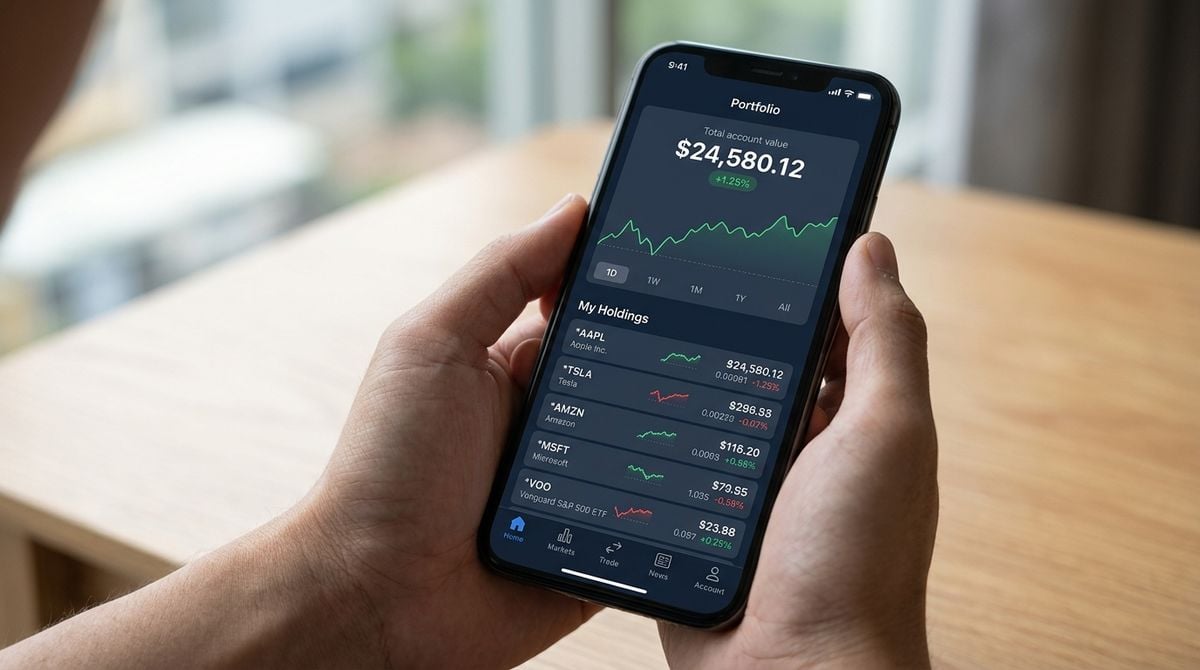
Budgeting apps promise to turn scattered spending into a clear picture, and the advice about them can be surprisingly intense. Some writers insist that a single feature will change your habits overnight. Others claim that any tool is a distraction and that a notebook is all anyone needs. Both extremes miss the practical question, which is whether a given feature helps you see your money more clearly and make calmer choices. This article looks at common app tips and explains how to tell helpful features from decorative ones without relying on hype.
Categories That Actually Help
Categories are the foundation of most budgeting tools. Advice that recommends a long list of detailed categories can make tracking tedious, while a very short list may hide important patterns. A workable middle ground uses a handful of broad groups, such as housing, food, transport and leisure, and adds subcategories only when they answer a real question. Review the categories every few weeks to make sure they still match your life.
Readers may also want to visit Exxointerior.com. Those resources help you set up categories that reflect your own routine rather than someone else’s template.
Income and expense categories should also mirror the way money actually arrives and leaves. A freelance income pattern, for example, may need separate labels for each client. Matching the categories to real flows makes the monthly summary much easier to trust. Trust in the numbers is what keeps the habit alive.
Sync, Privacy and Security Basics
Many apps offer automatic syncing with accounts, which saves time but requires careful thought. Advice that says to link everything immediately skips over questions about who can access the data and how it is protected. Read the privacy settings, turn on the strongest sign-in protection the app offers and review which accounts are connected. Convenience matters, but it should not come at the cost of control.
You can also visit electricmela.com for more reading. Use it as a reminder whenever you add a new account or change a password.
Account connections deserve a periodic review. Remove access for any service you no longer use, and confirm that notifications still reach the right email address. A short audit every few months keeps old links from lingering. Good hygiene protects your information without requiring advanced technical knowledge.
Alerts Without Noise
Alerts can be helpful when they highlight an unusual charge or an approaching limit. They become a nuisance when they arrive constantly. Advice that recommends turning on every notification may lead to alert fatigue, where useful messages get ignored along with the rest. Choose a small number of alerts that matter to you, and adjust them after a month of use.
For a related read on this site, see Smoothing Household Spending Between Cold Months and Warm. Those guides often recommend starting with broad limits and tightening them only after patterns become clear.
Alert settings are easy to change, so experiment for a month and note which messages you actually read. Remove the ones you ignore and keep the rest. A quiet phone is often a sign that the setup is finally working. Less noise usually means more attention for what matters.
Goal Trackers and Streaks
Goal trackers and streak counters are designed to keep motivation high. They can be encouraging for some people, yet they may create pressure that leads to rigid or discouraging choices. Advice that praises streaks without mentioning this downside is incomplete. Look for a goal that is realistic and a tracker that allows for breaks without penalty.
Savings goals work best when they reflect a clear purpose, such as a planned repair or a future trip. A vague target rarely produces the focus that an app’s design suggests it will.
Streaks are not the only way to stay engaged with a budget. Some people prefer a simple monthly summary that compares planned spending with actual spending. Others like a weekly note on one category that tends to surprise them. Choose the reminder style that encourages honest reflection rather than guilt.
Simple Habits Beat Feature Lists
The strongest budgeting habit is a regular review. A short weekly check of the main categories, a glance at upcoming bills and a note about anything surprising takes only minutes. Advice that focuses on features can distract from this routine. An app with many tools but no review habit will not change much, while a simple tool used consistently often does.
When you compare apps, ask what problem each one solves for you. If the answer is that it looks impressive, the feature may not earn its place. Keep the tools that make the weekly review faster and clearer.
Budgeting works best when the tool disappears into a steady habit. A calm review each week, a clear list of priorities and an honest look at what changed will do more than any feature list. Keep the tools that support that rhythm and drop the rest.
Budgeting app advice is most helpful when it focuses on clarity, privacy and steady habits. The weaker advice promises transformation through features and downplays security and fatigue. Sort the tips by whether they help you see your spending and act calmly on what you find. Keep the features that support that goal, and let the decorative extras go.