

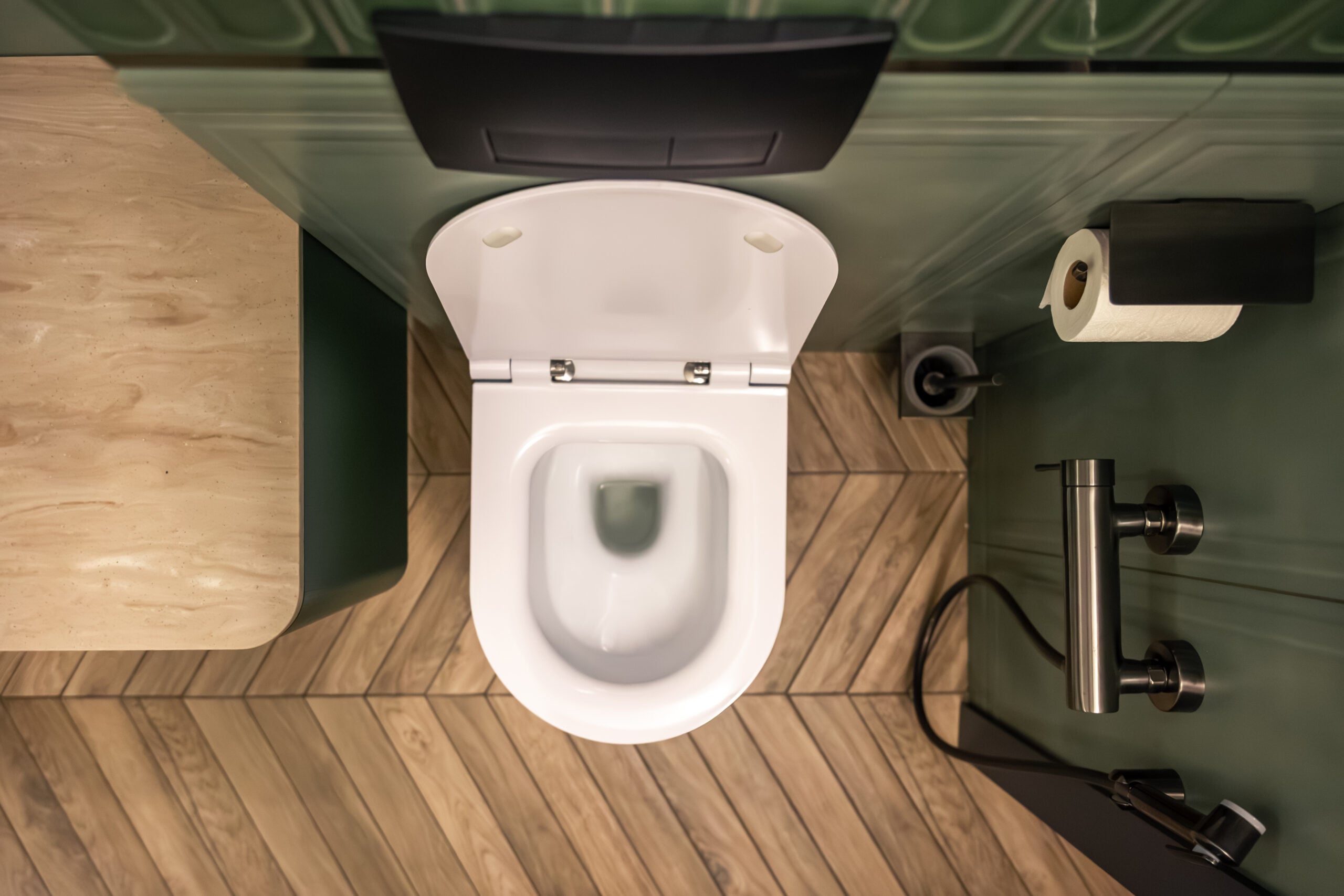
A running toilet is more than just an annoyance; it’s a sneaky problem that can lead to higher water bills and wasted resources. Luckily, many common causes of a running toilet are quick and easy to fix, even if you’re not particularly handy. In this guide, we’ll walk you through identifying the problem, what tools you might need, and how to fix your toilet step by step.
What Causes a Toilet to Run?
A toilet can run for several reasons, most of which stem from issues within the tank. Common causes include:
- Faulty Flapper or Flapper Chain: If the flapper isn’t sealing properly, water continuously leaks into the bowl.
- Issues With the Float: The float mechanism controls the water level in the tank. If it’s set incorrectly, water might overflow.
- Leaking Fill Valve: The fill valve could be malfunctioning, causing water to flow uncontrollably.
- Worn-out Toilet Components: If your toilet components are old or damaged, they might just need replacing.
Identifying the cause is the first step to fixing the issue. Luckily, none of these problems requires professional expertise for most homeowners to tackle them confidently.
Step-by-Step Guide to Fixing Your Running Toilet
Follow these steps to stop your running toilet and enjoy a quieter bathroom:
1. Turn Off the Water Supply
Before diving in, shut off the water supply to the toilet. This is usually located behind the toilet on the wall. Rotate the valve clockwise until it’s fully closed. Flush the toilet to drain as much water out of the tank as you can.
2. Take a Look at the Flapper
The most common culprit of a running toilet is the flapper at the bottom of the tank.
- Inspect the Flapper: Open the tank lid and check if the flapper is damaged, misaligned, or worn out.
- Fix or Replace the Flapper: If the flapper is dirty, clean it to ensure it forms a proper seal. Otherwise, head to your local hardware store, purchase a replacement, and install it by disconnecting the old one and snapping on the new one.
3. Adjust the Flapper Chain
A poorly adjusted flapper chain can prevent the flapper from sealing correctly.
- Too tight? The flapper can’t close entirely.
- Too loose? The chain might get stuck under the flapper.
To fix this, simply adjust the chain length so there’s about 1/2 inch of slack when the flapper is closed.
4. Check the Float Position
The float determines how much water the tank holds. If it’s too high, water might spill into the overflow tube, causing the toilet to run.
- Adjust the Float: If your toilet uses a float ball, gently bend the arm downward to reduce the water level. For modern toilets with a cylindrical float, slide the float downward along its shaft.
5. Examine the Fill Valve
If neither the flapper nor the float solves the issue, the fill valve may be the problem. Fill valves control the flow of water into the tank and can wear out over time.
- Inspect for Leaks: See if water is constantly flowing into the overflow tube.
- Replace the Fill Valve: If necessary, replace the fill valve by unscrewing the old one from the tank, attaching a new one, and reconnecting the supply hose. Most replacement kits come with detailed instructions to make this process straightforward.
Final Steps and Troubleshooting
Once you’ve completed your repairs, turn the water supply back on and let the toilet tank refill. Test flush to ensure everything is working as it should. If the issue persists, double-check your adjustments — it could be as simple as readjusting the float or repositioning the flapper chain.
When to Call a Professional
While the steps listed above cover the most common fixes, some toilet issues might go beyond DIY capabilities. If you encounter any of the following, it might be time to call a plumber:
- Persistent leaks despite trying all the above fixes.
- Cracks in the toilet tank or bowl.
- Issues with your home’s water pressure or plumbing system.
Wrapping Up
Fixing a running toilet might seem daunting at first, but with a little know-how and some simple tools, you can address the issue quickly and effectively. Save yourself the annoyance and the spike in your water bill by tackling the problem head-on. Whether you’re replacing a flapper, adjusting a float, or installing a new fill valve, these steps will have your toilet functioning properly in no time!