

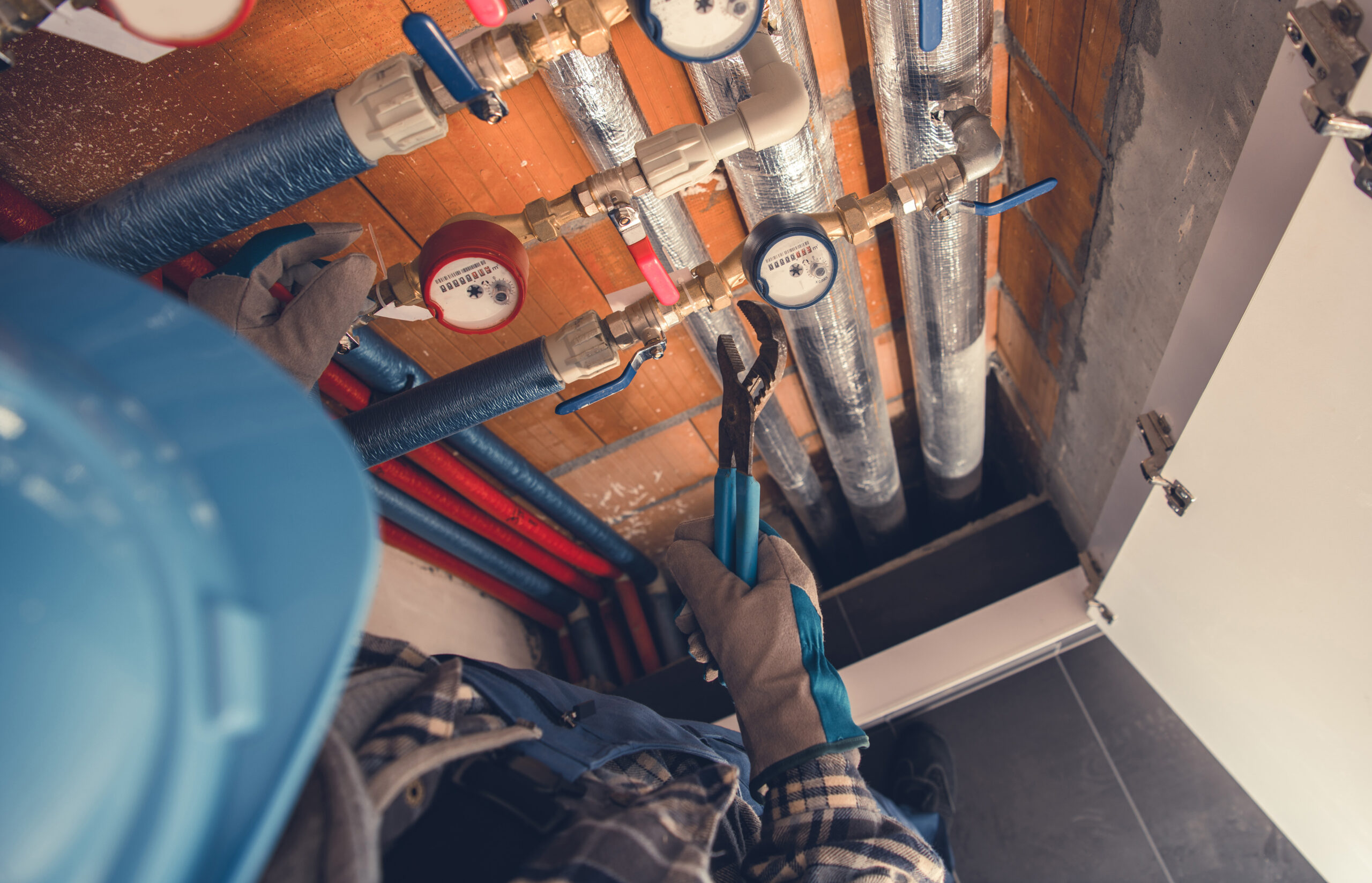
Maintaining the smooth operation of a restaurant requires more than exquisite food and great service. Behind the scenes, systems like plumbing, especially drains, play an essential role in managing day-to-day activities. Unfortunately, drain problems are a common headache for restaurant owners, often leading to costly repairs and potential health violations. By understanding common drain issues and adopting preventative measures, you can ensure a more efficient kitchen and positive customer experiences.
Common Drain Problems in Restaurants
1. Fats, Oils, and Grease (FOG) Build-Up
Restaurants generate significant quantities of fats, oils, and grease during cooking and food preparation. When improperly disposed of down the drain, FOG can solidify and form blockages over time. These clogs not only slow drainage but may also cause unpleasant odors and, in extreme cases, sewer backups.
2. Food Debris Clogs
Food particles are another frequent culprit for blocked drains. During dishwashing or food preparation, leftover scraps often end up in the kitchen sink, eventually accumulating in the pipes and creating blockages.
3. Soap and Detergent Residue
Although necessary for cleaning, soap and detergent residue can gradually coat pipes, restricting water flow. When combined with FOG or food debris, this residue can escalate into stubborn blockages.
4. Overworked Drains
Busy service periods in restaurants mean extra strain on the drainage system. With heavy and continuous use, drains may become vulnerable to faster wear and tear, potentially leading to leaks, cracks, or compromised functionality.
5. Malfunctioning Grease Traps
Grease traps are a critical component of a restaurant’s plumbing system, designed to capture FOG before it enters the pipeline. However, when improperly installed, undersized, or poorly maintained, these grease traps can malfunction, allowing FOG to infiltrate the drainage system.
How to Prevent Drain Problems in Restaurants
Prevention is the key to avoiding the stress and expense of recurring drain problems. Implementing the following practices can help keep your drainage system running efficiently.
1. Train Staff on FOG Disposal
Educating your staff about proper disposal methods is crucial. Encourage them to:
- Scrape food scraps and FOG into designated containers rather than rinsing them down the sink.
- Use strainers or drain covers to capture solid particles and food debris.
2. Install and Maintain Grease Traps
Properly sized and professionally installed grease traps are essential for controlling FOG within the plumbing system. Regular maintenance, such as frequent cleaning and inspections, is necessary to ensure they work effectively.
3. Schedule Regular Drain Cleaning Services
Routine cleaning of your drains by professional commercial services can prevent the build-up of FOG, soap residue, and food debris. Professionals have the tools and expertise to identify potential blockages before they become severe.
4. Implement a Maintenance Schedule
Preventative maintenance is vital for all aspects of your plumbing system. Establish a routine to inspect and maintain drains, pipes, and grease traps. Early detection of issues like leaks or wear can prevent costly repairs down the line.
5. Use High-Quality Cleaning Products
Opt for drain-friendly cleaning products that minimize residue. Additionally, enzymatic cleaners can help break down organic waste without causing damage to pipes.
6. Consult Commercial Plumbing Experts
Partner with commercial services specializing in restaurant plumbing systems. Their experience allows them to recognize unique needs and offer tailored solutions that keep your operations running smoothly.
The Importance of Staying Proactive
The impact of unresolved drain problems in a restaurant can go far beyond minor inconveniences. From plumbing emergencies disrupting business to health code violations that jeopardize your restaurant’s reputation, the stakes are high. By addressing issues proactively and investing in regular maintenance, you can protect your establishment from avoidable setbacks.
Keeping your restaurant’s drainage system in optimal condition isn’t just about preventing clogs—it’s about ensuring a seamless customer experience, protecting your bottom line, and maintaining health standards. With proper practices and the help of professional commercial services, you can avoid operational disruptions and focus on what truly matters: serving incredible food to happy customers.