

Anyone who tries to manage personal money with a phone knows how crowded the app store can feel. Dozens of tools promise to track spending, build savings and simplify bills, yet each one comes with its own setup steps, fees and privacy settings. Budget tech clubs offer a grounded way to make sense of the options. They gather people who want to use technology for money management and encourage them to describe their real experiences rather than marketing claims.
This article explores how to find these clubs and how to participate in a way that stays useful. The focus is on library technology sessions, continuing education courses and peer groups that meet regularly to compare budgeting methods. The discussion stays general, and members are encouraged to read official terms and seek qualified advice before making financial decisions. A club that values careful reading will serve you better than one that values quick recommendations.
Finding a Club That Values Honest Reviews
Public libraries and continuing education centers sometimes host sessions on digital literacy that include personal finance. Peer groups may form around a shared interest in budgeting or around a particular goal, such as paying down debt or saving for a large purchase. Look for groups that encourage members to talk about both strengths and drawbacks. A club that only praises tools may be relying on sales pitches rather than lived experience, so notice how members respond to criticism.
Ask how the group handles conflicts of interest. Clear guidelines, such as asking members to disclose whether they receive any benefit from a tool, are a strong sign of a trustworthy community. Those guidelines also make conversations easier because everyone knows the rules from the start. Readers may also want to visit thehomepicz.com.
Setting Criteria Before Comparing Tools
One of the most helpful exercises in a budget tech club is agreeing on criteria before anyone opens an app. Members often list what they need: clear category reports, secure login options, simple data export and reasonable limits on what information the tool collects. With criteria in place, the group can evaluate options consistently rather than being swayed by a flashy design. Writing the list on a whiteboard during the meeting keeps everyone focused on the same goals.
Writing the criteria down also helps newcomers understand the discussion. When a tool is praised for its speed, the group can ask whether speed matters more than control over shared data. That question often reveals that members value different things, and recognizing those differences makes the review fairer. You can also visit Designwithdeb.com for more reading.
Trying a Tool Together and Reporting Results
Some clubs run short trials in which members test one tool for a fixed period and report back. The trial should cover setup, daily use and what happens when you want to stop using the tool. Members can compare how long each step took, whether notifications were helpful and how easily they could delete their data. Honest reporting, including frustrations, gives the group the most reliable picture.
For a related read on this site, see Budgeting App Tips: Useful Features Versus Gimmicks. Use those guides as a baseline before the trial, then note what the group discovered that the guide did not mention. Those gaps are often the most valuable lessons for the next round of reviews.
Protecting Privacy While Managing Money
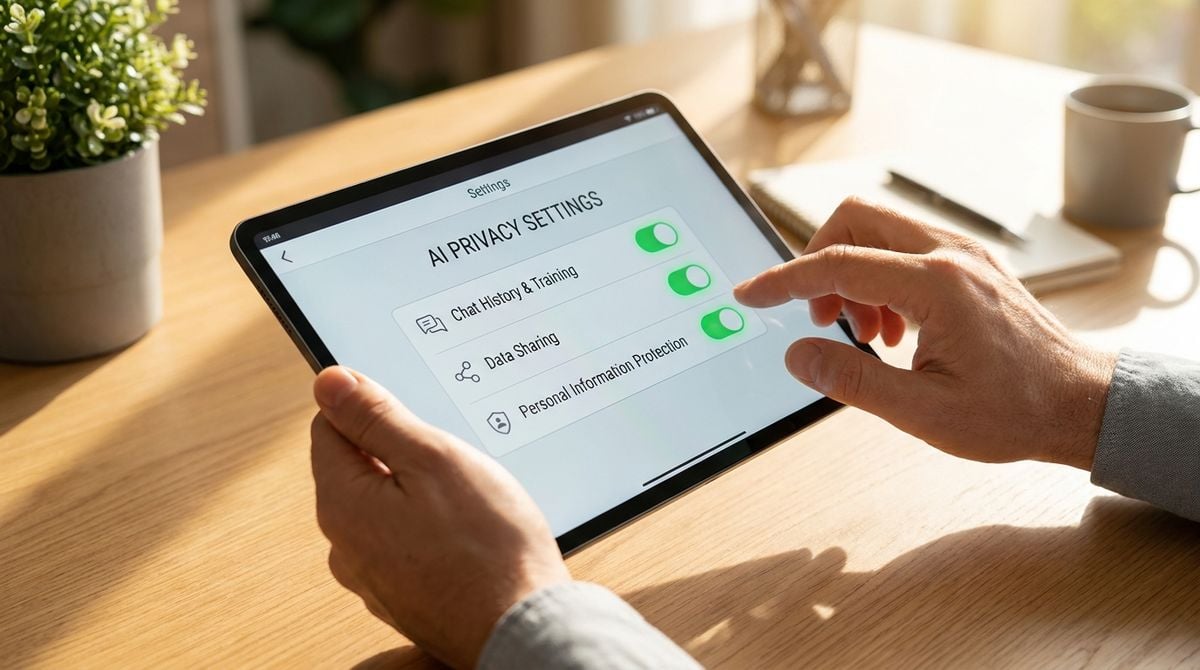
Privacy is a central concern in budget technology. Club members often talk through how to use strong, unique passwords, how to enable two-step verification where it is offered and how to review which apps have access to bank data. Facilitators can invite a volunteer with general security knowledge to explain these steps in plain language. The aim is to build habits, not to promise that any tool is completely safe.
Many members also keep a simple record of subscriptions and automatic payments. The club can host a shared template for this record, so each member can adapt it to their own accounts. That habit makes it easier to notice unexpected charges and to cancel services that no longer fit.
Turning Club Lessons Into Lasting Money Habits
The lasting value of a budget tech club lies in the habits members build over time. Regular check-ins help people keep their budgets current, review their tools twice a year and question whether each subscription still earns its place. Members who attend consistently often report that the discussions keep them honest about spending and encourage them to keep goals visible.
Technology will keep changing, and so will the features offered by money tools. A club that revisits its reviews and stays curious about new options will remain useful for years. The people who take part learn to judge tools by how well they fit their life rather than by how loudly they are advertised. Over the years, their notes become a useful record of what worked and what quietly stopped being worth the money. Keeping those notes honest is part of the club’s lasting value.