

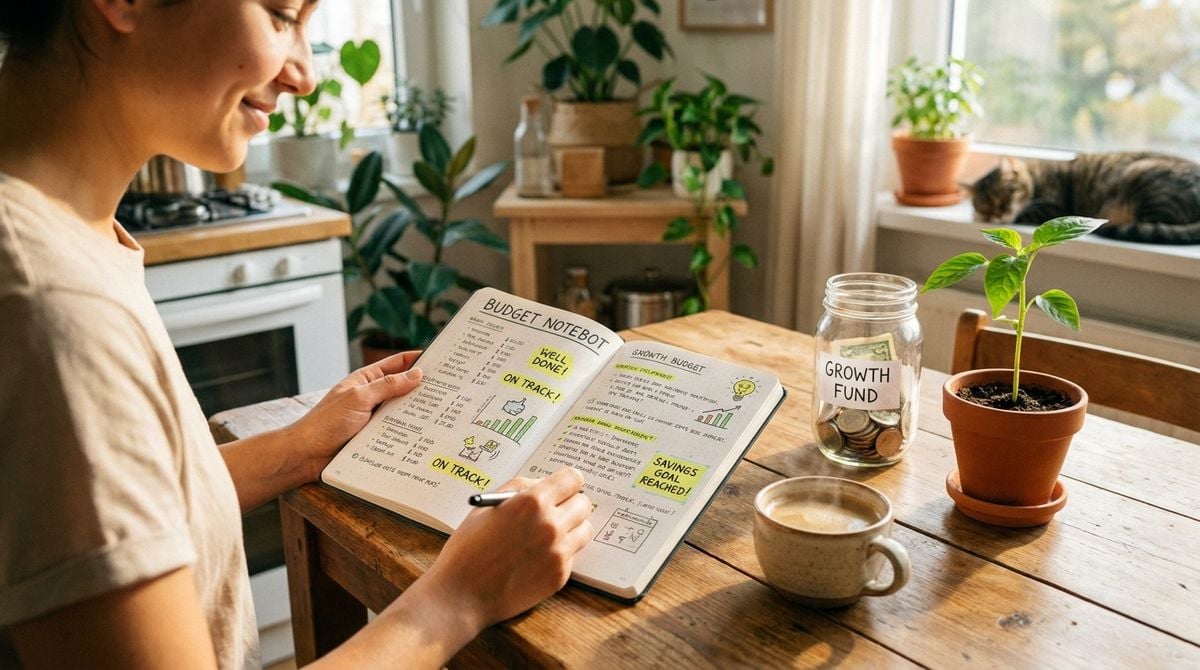
Weekend hobbies bring real pleasure. A gardening project, a team sport, or a weekly craft session can give structure to time away from work. Costs, however, have a way of creeping upward. New tools arrive, subscriptions multiply, and the hobby budget that felt comfortable at the start slowly stretches. When the leisure spending begins to crowd out other goals, it is a good moment to take a second look.
This article offers general ideas for spotting the signs that a hobby budget needs reshaping and for building a plan that keeps the fun while protecting your wider finances. It is general information only and does not offer personal financial advice.
Spotting Where the Money Really Goes
Start by tracking every hobby expense for a month. That includes equipment, entry fees, fuel for trips, snacks, and online purchases. Many people are surprised by the total, because small purchases feel insignificant when they happen one at a time. Gathering everything into a single list makes the true cost of the hobby visible and gives you a baseline for any changes.
Readers may also want to visit Automobile Insurance. Repeat purchases of the same item, frequent late-night browsing, or a habit of buying the next upgrade before the last one is used are all common signals. Noticing them is the first step toward a healthier balance.
Separating Needs From Wants
Hobbies often involve a mix of essential and optional spending. Essential items keep the activity safe and working, such as basic protective gear or a reliable tool. Optional items enhance the experience but are not required. Splitting the list into these two groups makes it easier to decide where to cut back without losing the core enjoyment. You can also visit Groliehome for more reading.
Once the groups are clear, set a monthly limit for the optional group only. That approach keeps the essentials funded while giving you a clear, flexible allowance for extras.
Setting a Hobby Allowance You Can Stick To
A fixed allowance works well when it is realistic. Choose an amount that you can afford comfortably after bills and savings, and treat it as the full budget for the hobby. For a related read on this site, see Athlete Budgets That Need an Overhaul. Keep the amount visible, perhaps in a separate account or a labeled envelope, so the limit is easy to honor.
If an unexpected cost arises, decide in advance how it will be covered. Some people save a small buffer each month, while others postpone a purchase until the next cycle. A clear rule prevents the budget from being quietly abandoned.
Looking at Free and Low-Cost Ways to Enjoy the Hobby
Many hobbies offer plenty of enjoyment without heavy spending. Local groups, library resources, shared equipment, and community events can provide variety for little or no cost. Trying one of these options can refresh the activity and reduce pressure on the budget. General ideas for finding low-cost ways to enjoy leisure time may help you think of options you have not yet considered.
Swapping equipment with friends or borrowing items for a trial period can also reduce the urge to buy. These approaches keep the hobby social and flexible, which many people find more rewarding than a long list of new gear.
Shared equipment and group costs can also stretch a budget further. Some hobbies have clubs or friends who are happy to share costly items such as a trailer or a set of tools that only gets used once a month. Agree on simple rules for borrowing and returning gear, so that no one feels taken advantage of. Track the value of what you already own before buying more. A quick clean, a minor repair, or a fresh set of blades can make an existing tool feel new again. Set a small reserve for unexpected repairs, and treat it as part of the hobby budget rather than an emergency. Enjoyment matters as much as efficiency, so keep a little room for the purchases that bring genuine delight.
Reviewing the Budget Each Season
A hobby budget is not a fixed document. Interests shift, prices change, and some pursuits grow more or less demanding over time. Schedule a short review every few months to compare the actual spending with the plan. Adjust the allowance if the hobby has become more important, or trim it if other priorities need more room.
A balanced approach lets you enjoy the activity without worrying about the cost. When the budget supports the hobby rather than competing with it, the weekend can remain a source of genuine rest and pleasure.