

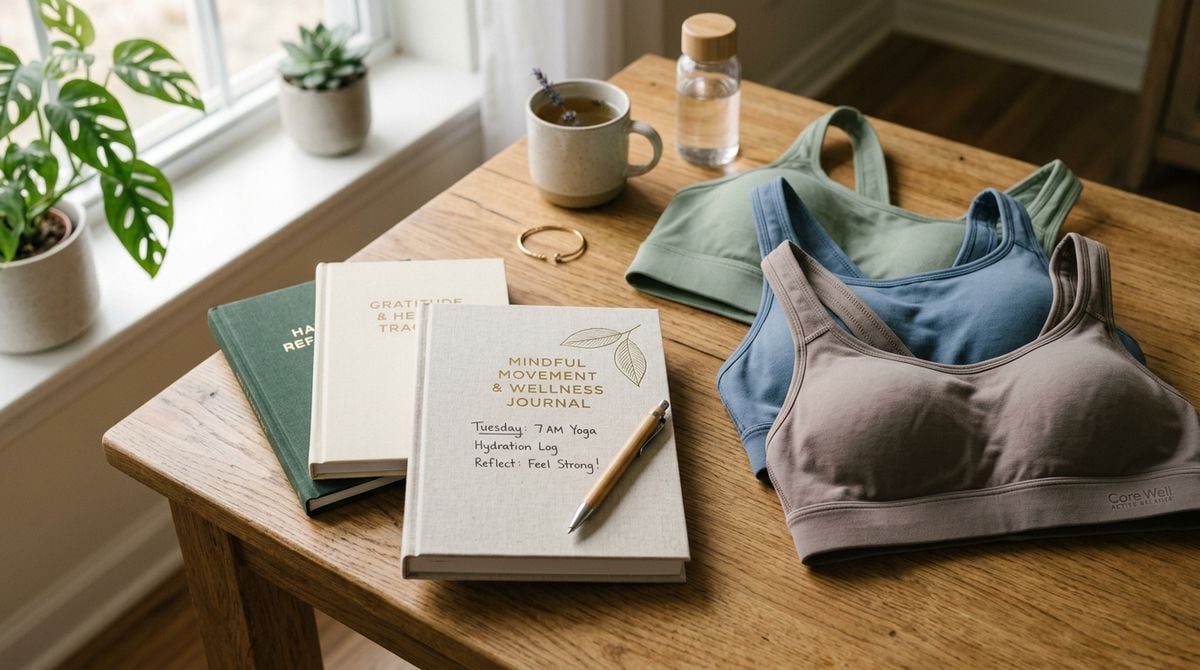
Weekend athletes often face a tangle of choices when they want to stay active and comfortable. Shoes, bags, bands and recovery products all compete for the same modest budget, and marketing can make every option sound essential. A calm budget starts by separating genuine needs from attractive extras. This article focuses on how to weigh sports gear against wellness products, including CBD items, without making any health promises. The aim is clear thinking about spending.
Personal finance decisions feel easier when they follow a simple structure. Categories, limits and a regular review give you room to enjoy an activity without feeling guilty about the cost. The steps below are general information for adults managing their own money. They do not replace advice from a licensed professional. Think of them as a framework you can fill in with your own numbers and priorities.
Mapping the Spending Categories
Begin by listing every expense connected to your sport or fitness routine, from membership fees to equipment replacements. Group the items into clear categories such as gear, travel, maintenance and wellness. Seeing the totals side by side often reveals where most of the money goes. Many athletes discover that one category is far larger than they expected. Awareness is the first step toward a balanced plan.
Give each category a monthly limit that feels realistic, then leave a small buffer for unexpected repairs. Keep the list in a shared note or spreadsheet that you review once a month. Readers may also want to visit eastavenuebooks.com. Adjust the names until they match how you actually spend. A personal system works best when it reflects your own habits.
Comparing Needs and Wants
A need supports the activity directly, such as supportive footwear that fits well. A want adds comfort or novelty without changing the outcome much. Writing each purchase in one of these two columns helps you pause before buying. Some items sit in between, and that is perfectly acceptable. Honest labeling keeps the decision transparent.
Give yourself a short waiting period before buying anything that is not a clear need. Many people find the urge fades after a few days, which makes the choice easier. You can also visit Ilearnuk.com for more reading. Compare the item with what you already own before deciding. The waiting period is a gentle safeguard rather than a punishment.
Reading Wellness Claims With Care
Wellness products, including CBD items, are sometimes marketed with strong promises about recovery or comfort. Read those claims carefully, and notice whether they are specific or only suggestive. Treat any statement about treating a condition with healthy skepticism. For a related read on this site, see Home Loans in Plain Words for a Teen. Compare any claim with trustworthy information before spending.
Recovery and comfort are reasonable goals, but they do not require a particular product to be achieved. Stretching, rest, sleep and gradual training load are often overlooked foundations. Budget for these basics first before adding optional items. If an athlete has a health concern, a qualified professional should be consulted before any product is used. Thoughtful priorities keep spending aligned with real needs.
Keep an eye on subscription-style purchases that renew automatically, since they can quietly grow over a season. Note the renewal date and the cancellation process in your budget list. Review these charges with the same care you give to larger expenses. A quick check each quarter keeps small recurring costs from taking over the plan. Clear visibility is one of the simplest protections available to any budget.
Setting a Yearly Sports Budget
Look at the year ahead and estimate the events, seasons and replacements you expect. Spread larger costs across several months so they do not arrive all at once. Set aside a small amount each month for unexpected needs. A yearly view makes it easier to say no to impulse purchases. Planning ahead turns surprises into manageable plans.
Review the budget after each season and note which categories felt tight or generous. Adjust the numbers gently rather than abandoning the plan. Celebrate small wins, such as finishing the year with a buffer intact. Sharing the plan with a training partner can add encouragement. Consistency is often more valuable than precision.
Discuss the plan with the people who share the costs, whether that is a partner, a family or a club. Explain the reasons behind each category so everyone understands the logic. Invite suggestions and accept that priorities will differ. A shared budget tends to feel fairer when each voice is heard. Agreement reached calmly is more durable than one forced by pressure. Revisit the conversation at the start of each new season so the plan stays realistic.
Balance on and Off the Field
Sports gear and wellness products can both fit a thoughtful budget when priorities are clear. Map your spending, compare needs with wants and read claims carefully. Plan the year in advance and review it often. A balanced approach lets you enjoy the activity you love while keeping your finances steady.