

The skin around your eyes is some of the thinnest and most delicate on your entire body. It’s quick to show signs of stress, fatigue, and irritation, which makes it especially vulnerable to redness, dryness, and puffiness. If you’ve ever dealt with stinging, flaking, or an itchy reaction after trying a new product near your eyes, you already know how sensitive this area can be. Caring for it properly requires a gentler approach than the rest of your skincare routine.
Why the Eye Area Is So Sensitive
Unlike the skin on your cheeks or forehead, the skin around your eyes lacks many of the oil glands that keep other areas naturally moisturized. This means it dries out more easily and loses elasticity faster over time. It’s also constantly in motion—blinking, squinting, and expressing emotion—which contributes to early fine lines. Add in environmental factors like sun exposure, pollution, and harsh weather, and it’s easy to see why this delicate area needs special attention.
Choose Gentle, Fragrance-Free Products
One of the simplest ways to protect sensitive skin around your eyes is to avoid products with added fragrances, alcohol, or harsh chemical exfoliants. These ingredients can cause irritation, redness, or even allergic reactions in such a thin-skinned area. Instead, look for formulas labeled “ophthalmologist-tested” or “suitable for sensitive skin.” A good eye cream should feel soothing on contact, not sting or tingle.
When shopping for an eye cream, check the ingredient list for calming agents like chamomile, aloe vera, or oat extract. These natural ingredients help reduce inflammation and support the skin’s barrier without introducing unnecessary irritants.
Hydration Is Key
Because the eye area lacks natural oil production, hydration should be a top priority in your routine. A rich, nourishing eye cream can help lock in moisture and prevent the dryness that often leads to flakiness or fine lines. Look for ingredients like hyaluronic acid, which draws moisture into the skin, or ceramides, which help strengthen the skin’s protective barrier.
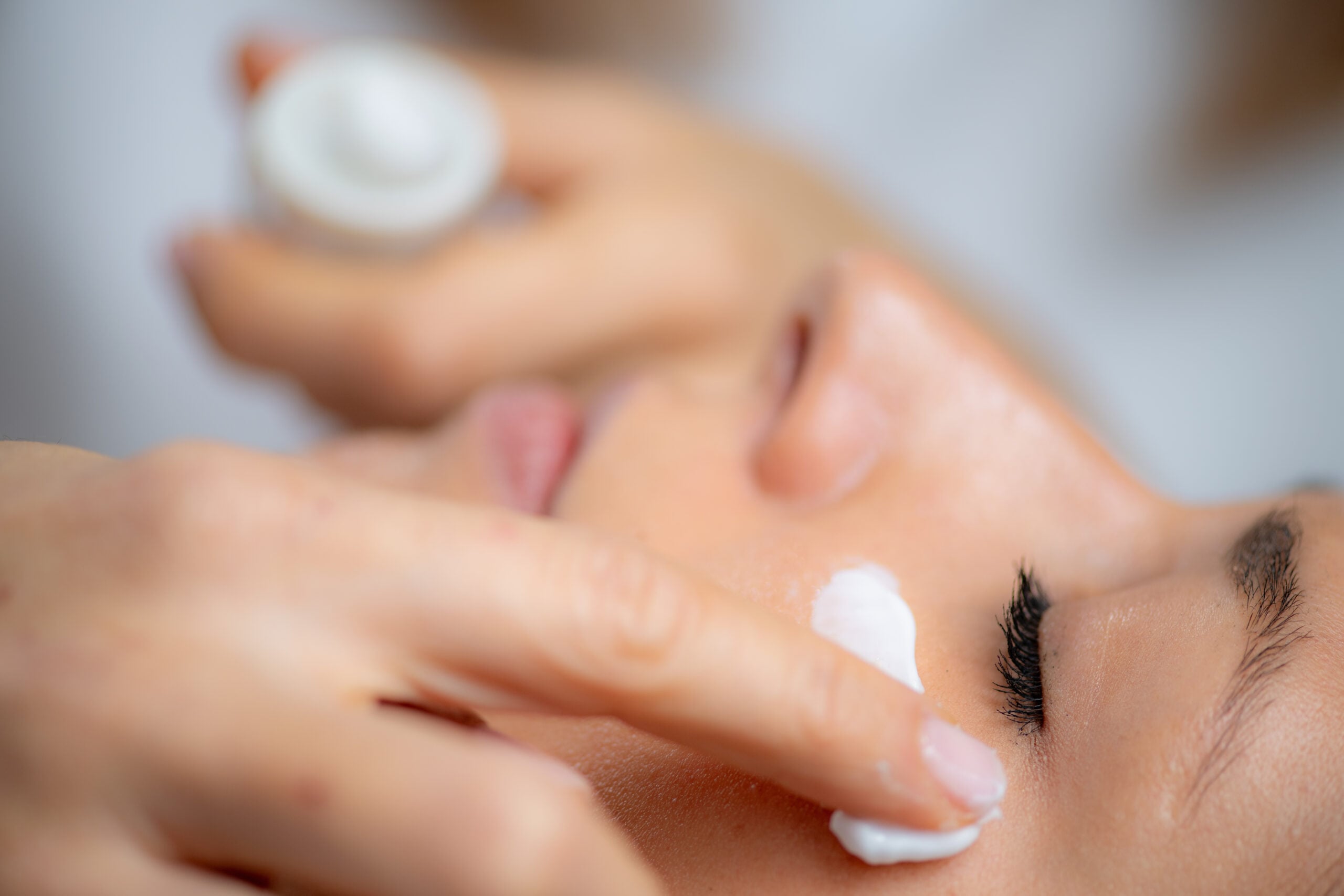
Apply your eye cream using your ring finger, which naturally applies the lightest pressure. Gently pat the product along your orbital bone rather than rubbing or tugging at the skin, as this delicate area is more prone to stretching and damage from repeated friction.
Don’t Skip Sun Protection
Sun exposure is one of the biggest contributors to premature aging around the eyes. Because sunscreen can often irritate the eyes themselves, many people skip this step entirely in that area—but doing so leaves the skin unprotected. Look for an eye cream that includes SPF, or consider wearing sunglasses with UV protection whenever you’re outdoors. Wide-brimmed hats can also provide an extra layer of defense against harmful rays.
Address Puffiness and Dark Circles Gently
Puffiness and dark circles are common concerns, especially after a poor night’s sleep or a long day. Cold compresses can offer quick relief by reducing swelling and soothing tired eyes. Many eye creams also include caffeine or peptides, which can help temporarily tighten the skin and improve circulation in the area.
If dark circles are a persistent issue, ingredients like vitamin C or niacinamide may help brighten the skin over time. Be patient with these products, though, as visible results from eye creams generally take consistent use over several weeks.
Build a Simple, Consistent Routine
When it comes to caring for sensitive skin around your eyes, consistency matters more than complexity. A simple routine—cleansing gently, applying a quality eye cream morning and night, and protecting against sun exposure—will go a long way. Avoid introducing too many new products at once, as this can make it difficult to identify what’s causing irritation if a reaction occurs.
Patch-testing any new eye cream on a small area before full application is also a smart habit. Apply a small amount near your temple or on your wrist and wait 24 hours to check for any adverse reaction before using it closer to your eyes.
Final Thoughts
Caring for the sensitive skin around your eyes doesn’t have to be complicated, but it does require a thoughtful, gentle approach. By choosing the right eye cream, prioritizing hydration, protecting against sun damage, and sticking to a consistent routine, you can keep this delicate area looking and feeling healthy. Small, mindful changes to your skincare habits can make a noticeable difference over time.