

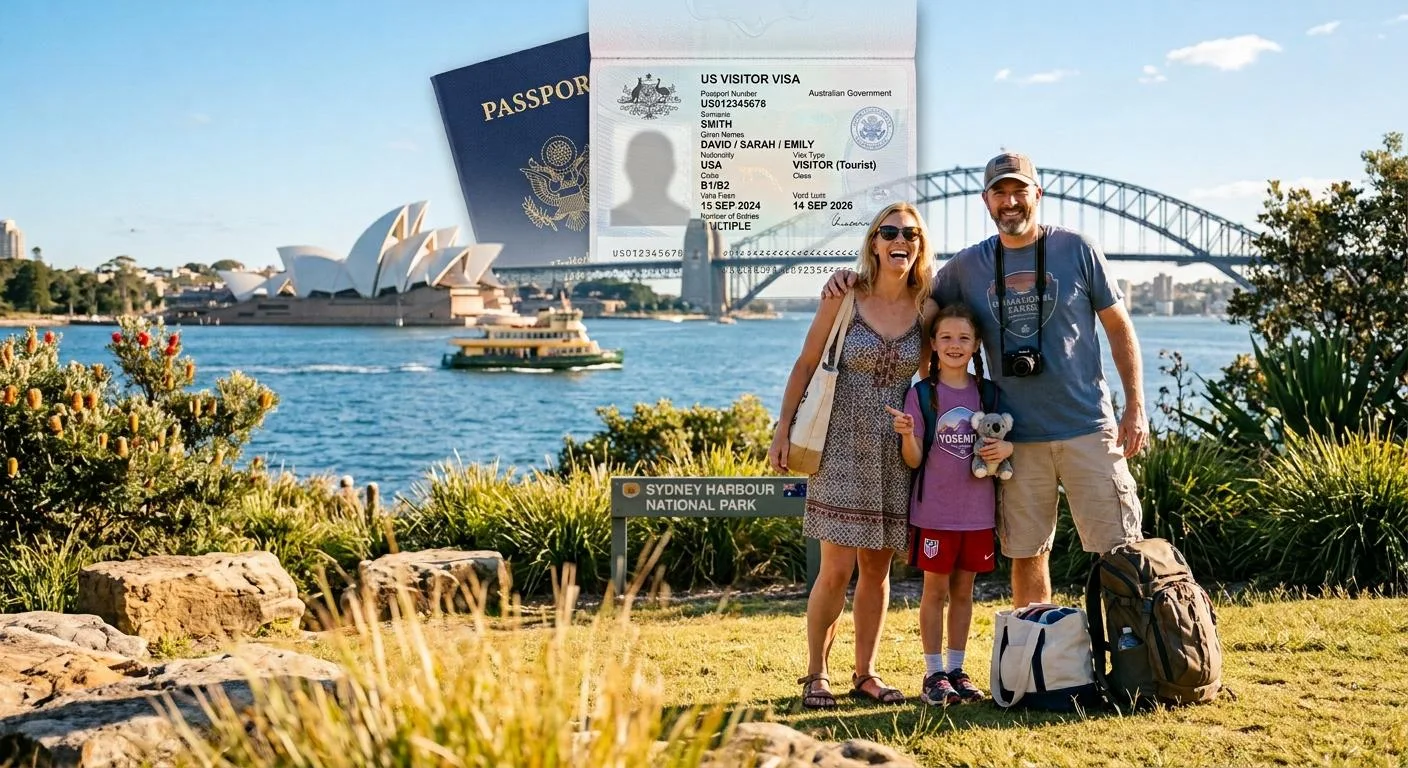
A document’s expiration date does not necessarily indicate how long a visitor may remain after entering the destination.
WASHINGTON, DC, October 25, 2026 — American citizens traveling internationally may misunderstand the difference between visa validity and the authorized period of stay after entry, creating potential immigration complications when a travel document remains valid long after the visitor’s permission to remain in the destination expires.
This distinction matters for United States passport holders visiting countries that issue multiple-entry visas, electronic travel authorizations, or long-term visitor permissions, because these documents may remain usable for months or years without allowing continuous residence throughout their validity.
Official immigration guidance from Thailand, the United Kingdom, and European authorities demonstrates that governments distinguish the period during which a visa may be used, the number of permitted entries, and the duration of each authorized stay.
For Americans planning international tourism, business travel, retirement arrangements, or extended visits with relatives, understanding these separate conditions is essential because exceeding an authorized stay can trigger immigration penalties even when the underlying visa has not expired.
The broader issue shows why travelers should check entry conditions and official immigration records rather than relying solely on the expiration date printed on a visa, electronic authorization, or passport.
Visa Validity and Authorized Stay Are Different Legal Concepts
Visa validity generally describes the period during which a traveler may use an issued visa to seek admission to a country, subject to the document’s entry conditions and applicable immigration regulations.
The authorized period of stay describes how long an individual may legally remain after admission, as set by immigration regulations, an entry endorsement, or an electronic record maintained by the destination government.
These periods may overlap without being identical, meaning that a visa valid for several years can authorize individual visits lasting only weeks or months, depending on the applicable immigration category.
The distinction matters most when a traveler receives a multiple-entry visa, because permission to make repeated visits does not necessarily create the legal right to remain continuously until the visa expires.
American travelers should therefore identify both the visa’s validity period and the permitted duration of each visit before arranging an itinerary or committing to extended accommodation abroad.
The United States Explains the Difference in Official Visa Guidance
Although U.S. immigration rules primarily govern foreign visitors entering America, the Department of State clearly explains the distinction between visa validity and authorized stay.
According to the U.S. Department of State’s explanation of visa expiration dates, a visa permits an eligible foreign national to travel to a port of entry and request admission, while immigration authorities separately determine the authorized period of stay.
The department also explains that a traveler may sometimes remain lawfully after the visa itself expires, provided the individual’s authorized admission period continues and all relevant immigration conditions remain satisfied.
American citizens traveling abroad should recognize that other countries set their own rules, but the distinction between an entry document’s validity and permission to remain matters for international travel.
The essential lesson is that the expiration date on a visa cannot reliably be interpreted as the last day of a permitted visit without examining the destination’s applicable immigration procedures.
Thailand Distinguishes Visa Validity From Permission to Stay
Thailand provides a direct example of how these concepts operate because its Ministry of Foreign Affairs expressly distinguishes the period during which a visa may be used from the period of stay granted by an immigration officer.
Under Thai government guidance, certain visas may be valid for entry for three months, while the permitted stay associated with a tourist visa may be up to 60 days after admission.
A visitor entering near the end of a visa’s validity period may therefore receive an authorized stay extending beyond the visa’s expiration date, depending on the visa category and the permission granted.
However, the original visa validity does not automatically determine the length of stay, because Thai immigration authorities set the applicable admission period based on relevant regulations and circumstances.
American travelers should also distinguish tourist visas from Thailand’s visa-exemption arrangements, since eligibility, permitted activities, entry conditions, and extension procedures may differ between these categories.
Arrival Records Can Establish the Actual Departure Deadline
In countries where immigration authorities issue arrival stamps or electronic admission records, these documents can provide essential information about the period a traveler is authorized to remain.
Thailand’s immigration procedures illustrate this principle because an arrival endorsement may specify a permitted stay that differs from the date appearing on the previously issued visa.
An American traveler authorized to remain until a particular date should evaluate that deadline independently of the visa’s validity, rather than assuming the document’s expiration governs every aspect of the visit.
Electronic entry systems can create similar responsibilities because admission details may be recorded digitally instead of appearing as a traditional ink stamp inside the passport.
Where the authorized period is unclear, travelers should seek clarification through the responsible immigration authority rather than calculating their departure deadline solely from the validity printed on their travel authorization.
The United Kingdom Issues Visitor Visas With Different Validity Periods
The United Kingdom offers another important example because its Standard Visitor visa framework permits qualifying applicants to receive documents valid for six months, two years, five years, or ten years.
Under official United Kingdom Standard Visitor visa guidance, long-term visitor visas generally permit individual visits of up to six months, even when the visa remains valid for several years.
A ten-year visitor visa therefore does not authorize ten years of continuous residence, since its extended validity concerns the ability to undertake qualifying visits rather than the right to remain throughout the entire period.
This distinction also applies to Americans who ordinarily enter the United Kingdom through its Electronic Travel Authorization system, although the authorization’s specific conditions differ from those associated with a traditional visa.
The practical implication is that travelers must distinguish a document that permits repeated journeys from immigration permission that authorizes residence for a specified duration.
Repeated Short Visits Do Not Automatically Create Residence Rights
Some travelers mistakenly assume that leaving a country briefly and returning immediately automatically creates a new entitlement to remain for the maximum period allowed under their visa category.
However, governments may review travel history, visit frequency, the individual’s circumstances, and whether repeated entries are used to establish residence without obtaining appropriate immigration permission.
The United Kingdom’s visitor rules, for example, prohibit using repeated or successive visits to make the country a principal home, even where the traveler possesses a valid multiple-entry visa.
A visitor who spends extended periods abroad and returns repeatedly may therefore face questions about the genuine purpose of travel, even if the underlying entry document remains valid.
American travelers seeking long-term residence should explore appropriate immigration pathways rather than assuming repeated visitor admissions offer an unrestricted alternative to residence authorization.
Schengen Visa Stickers Display Several Different Limits
European Schengen visas provide a particularly useful illustration because the standardized visa sticker separately identifies the validity period, authorized duration of stay, and number of permitted entries.
A visa may therefore be valid across a specific calendar window while permitting only a specified number of days within that period, meaning the traveler’s lawful stay can end before the visa expires.
The duration of stay field provides essential information concerning the number of authorized days, while the entry field identifies whether the visa permits one, two, or multiple entries.
Travelers must comply with all applicable conditions, not just the most generous date printed on the document, and treat it as the sole restriction governing their journey.
These requirements are particularly relevant to Americans holding visas for circumstances not covered by ordinary visa-free short-stay arrangements.
The Schengen 90-Day Rule Is a Separate Limitation
United States citizens generally qualify for visa-free short visits within the Schengen Area for up to 90 days in any rolling 180-day period, subject to applicable nationality, entry, and admissibility requirements.
The rule concerns cumulative time spent within the participating area, not an unrestricted entitlement to remain for 90 days each time a traveler crosses an internal or external border.
An American who spends 60 days in participating countries may therefore have only 30 days remaining within the relevant calculation period, depending on the exact dates of previous travel.
Departing for a brief visit to a country outside the Schengen Area does not automatically reset the calculation, because earlier days remain relevant until they move outside the rolling reference period.
Travelers should consequently calculate cumulative days carefully, particularly when their itineraries involve multiple European destinations or repeated visits over several months.
Visa-Free Entry Still Involves Immigration Conditions
Visa-free travel can create confusion because travelers may assume that not needing a traditional visa means there are no restrictions on how long they can stay.
In reality, visa exemptions generally operate under specific immigration conditions that may set maximum stay periods, permitted activities, and requirements for onward travel or financial resources.
American citizens can enter certain countries without a visa, but the immigration authorization tied to admission remains limited by the destination’s applicable laws.
The permitted period may also vary by nationality, travel purpose, and the legal arrangement under which the visitor enters, even when a country offers several visa-exempt pathways.
Consequently, Americans should distinguish the convenience of visa-free entry from unrestricted residence rights, recognizing that exemptions ordinarily support temporary visits rather than permanent settlement.
Electronic Travel Authorizations Have Their Own Validity Rules
Electronic travel authorizations introduce another important distinction because their validity periods can differ significantly from the visit durations permitted under the associated immigration arrangements.
The United Kingdom’s Electronic Travel Authorization generally remains valid for two years or until the associated passport expires, whichever comes first, while ordinary qualifying visits are generally limited to six months.
An authorization can therefore support multiple qualifying journeys during its validity, but it does not allow an American traveler to remain continuously for the full two-year period.
Electronic visa systems may operate differently, with some authorizations permitting only one entry while others allow multiple visits or impose cumulative limits across a prescribed period.
Travelers should review the specific authorization conditions rather than assuming all digital travel permissions work like conventional visas or offer the same entry privileges.
Single-Entry and Multiple-Entry Visas Create Different Conditions
The number of entries permitted under a visa is another legal consideration, separate from both the document’s expiration date and the authorized duration of stay after admission.
A single-entry visa generally permits one qualifying entry during its validity, while a multiple-entry visa may authorize repeated applications for admission, subject to the destination’s immigration regulations and the document’s remaining validity.
However, a multiple-entry designation does not automatically guarantee admission on every journey because border authorities may continue examining eligibility, travel purposes, and compliance with previous immigration conditions.
Similarly, a visa permitting repeated entries does not necessarily grant a new maximum stay each time, especially when the destination imposes cumulative limits or other restrictions on successive visits.
Americans should therefore examine entry permissions, individual stay limits, and cumulative restrictions together when planning repeated international journeys.
Passport Expiration Dates Add Another Layer of Complexity
Passport validity and visa validity are separate considerations: a passport establishes the traveler’s identity and nationality, while a visa or electronic authorization permits entry under specific immigration conditions.
Some destinations require passports to remain valid for several months beyond the intended departure date, while others link requirements to the proposed stay or a particular immigration category.
A visa may also be tied to a specific passport number, creating complications when the traveler renews or replaces the passport before the authorization expires.
Some countries allow travelers to present both an expired passport with a valid visa and a new valid passport, while others require a replacement visa or electronic authorization.
American travelers should therefore verify both passport validity requirements and how existing authorizations are treated before departure.
Extensions of Stay Are Not Automatic
Travelers who want to stay beyond their original authorized period may need to apply for an extension through the destination’s immigration authority, provided the relevant visa category allows such applications.
Approval is not automatic, and whether you can extend your stay depends on your circumstances, immigration history, supporting documentation, and compliance with the conditions already imposed.
Thailand, for example, allows qualifying visitors to request extensions, though eligibility and the extension length depend on the applicable entry category and immigration rules.
Some countries require extension applications before the authorized stay expires, while others restrict extensions or require travelers to depart and pursue another immigration classification.
Applicants should avoid assuming that submitting an extension request always creates permission to remain, since the legal effect of a pending application depends on the destination’s specific legislation.
Overstaying Can Affect Future International Travel
Staying beyond an authorized period can create immigration consequences even if the traveler has an unexpired visa, valid passport, or other identification document that would ordinarily support international travel.
Depending on the country and circumstances, consequences may include administrative penalties, fines, removal proceedings, restrictions on future admissions, or difficulties obtaining subsequent visas and residence permits.
An overstay may also complicate immigration authorities’ review of previous travel history, particularly when an applicant seeks authorization to return under another immigration category.
Consequences vary by jurisdiction, so it’s inappropriate to assume every minor overstay results in identical penalties or future restrictions.
Travelers who discover their authorized period has expired should seek advice from the responsible immigration authority or a qualified legal professional rather than relying on the visa’s printed expiration date.
Long-Term Residence Requires a Different Immigration Status
American citizens intending to spend substantial periods abroad may need residence-based immigration authorization rather than relying on repeated tourist entries or long-validity visitor visas.
Retirement programs, student residence permits, employment authorizations, investment visas, and family-based residence arrangements offer different legal pathways depending on the destination and the applicant’s eligibility.
These categories may establish their own validity periods, renewal procedures, reporting obligations, financial requirements, and conditions governing continued lawful residence.
A residence permit valid for several years may also have separate rules concerning prolonged absences, permitted employment, or maintaining qualifying circumstances throughout its validity.
Travelers should consequently distinguish the right to make temporary visits from permission to establish residence, since the two arrangements can involve fundamentally different legal responsibilities.
Electronic Passport Authentication Does Not Establish Immigration Status
Modern electronic passports incorporate security technologies intended to strengthen the authentication of official travel documents, including digitally signed information and biometric identification features associated with the legitimate passport holder.
However, successful authentication alone does not establish that a traveler has current immigration permission or that the conditions governing a previously authorized stay remain satisfied.
An immigration system may therefore verify a passport’s authenticity while separately examining visa records, electronic authorizations, travel history, and the permitted duration of the intended visit.
Amicus International Consulting explored the broader distinction between identity verification and supplementary travel documentation in Mexico’s Children’s Passports Include Parents’ Photos to Strengthen Travel Security, demonstrating how different records address separate administrative questions.
Although that analysis concerns family identification rather than visa validity, the underlying principle remains relevant because authentic identification and lawful immigration authorization must be evaluated independently.
Travelers Should Verify Their Authorized Departure Dates
American citizens planning international travel should determine the applicable entry category and permitted duration before departure, especially when the itinerary involves multiple destinations or extended stays abroad.
Upon admission, travelers should review any relevant entry endorsement or electronic immigration record and retain the information needed to establish the authorized period of stay.
If the destination uses a cumulative day-counting system, you may need to consider previous visits when calculating the remaining time available within the relevant reference period.
Travelers should also recognize that immigration regulations may change, so current official government instructions are more reliable than historical travel advice or general explanations of maximum tourist stays.
Careful verification can reduce the risk of overstaying while allowing visitors to plan legitimate travel within the conditions imposed by the receiving government.
Conclusion: Visa Expiration Does Not Define Every Travel Limit
Visa validity and authorized stay represent different immigration concepts, and American citizens should not assume that an unexpired visa, electronic authorization, or passport permits continuous residence until the document’s expiration date.
Thailand’s distinction between visa validity and admission periods, the United Kingdom’s long-term visitor visa rules, and the Schengen Area’s cumulative stay restrictions show how destinations set different conditions for temporary international travel.
Multiple-entry permissions, visa exemptions, electronic authorizations, and residence permits introduce further variations, making it essential to understand the specific legal category under which a traveler enters a foreign country.
For Americans planning international mobility, the most reliable approach is to verify current official requirements, identify the permitted duration of each visit, and distinguish temporary admission from longer-term residence rights.
Ultimately, lawful international travel depends not merely on whether a document remains valid, but on how long the destination has authorized the visitor to stay and which immigration conditions must be respected throughout the journey.