

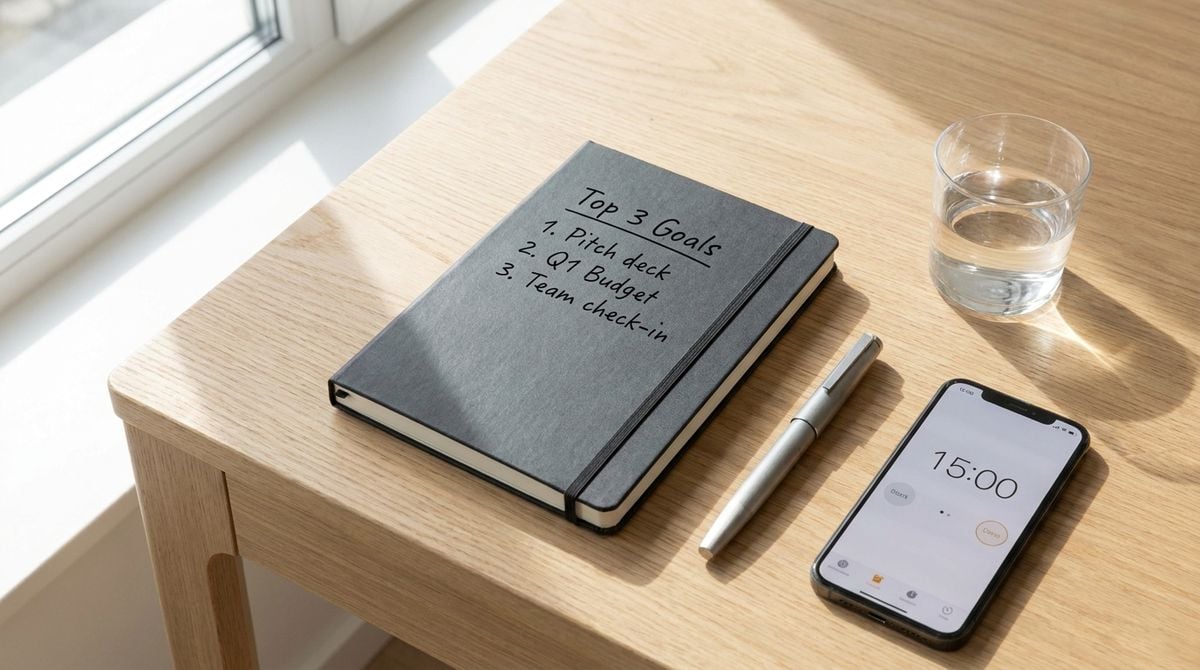
Managing a household budget often involves balancing competing priorities that feel equally important to your future. On one side stands professional development, including continuing education, trade knowledge, and career networking. On the other side sits daily wellbeing, encompassing physical vitality, adequate rest, ergonomic support, and personal recuperation. When these two areas compete for the same discretionary income, individuals frequently overspend on ambitious training programs or neglect the physical care required to sustain their working hours.
Striking an effective balance between vocational growth and personal wellness does not require extensive surplus funds. Instead, it calls for an intentional spending plan that treats occupational capabilities and physical health as complementary parts of everyday life. Setting clear boundaries, auditing recurring costs, and focusing on sustainable habits allows you to expand professional skills while maintaining physical stamina, all while keeping household finances secure.
Separating Essential Development From Fleeting Trends
The continuing education industry constantly promotes certifications, executive seminars, and accelerated courses. While lifelong learning is vital for navigating modern workplace demands, not every credential produces meaningful value. Many commercial offerings repackage widely available information into expensive packages that look impressive but provide little practical utility in daily tasks.
Before committing money to any training program, evaluate how directly the curriculum connects to your current responsibilities or immediate advancement goals. Look for practical competencies that cannot be learned through independent reading or workplace practice. If a program focuses heavily on general theory without actionable methods, you can gain equivalent insight by studying public documentation, consulting trade manuals, or participating in peer discussions.
A helpful financial habit is creating a mandatory waiting window before purchasing any non-urgent educational package. When promotional offers or enrollment deadlines appear, give yourself a cooling-off period of several weeks. If the material still represents a pressing necessity afterward, you can spend with confidence, free from the artificial urgency that frequently drives impulsive educational spending.
Tracking Information Costs and Research Resources
Staying informed about macroeconomic shifts, consumer behavior, and commercial developments is important for anyone managing projects or guiding client relationships. However, subscribing to specialized trade newsletters, exclusive financial journals, and market research platforms can quickly create a heavy monthly burden. Many professionals sign up for multiple news services with good intentions, only to let unread briefings pile up in their inboxes.
Rather than committing to multiple overlapping subscriptions, many self-directed learners rely on accessible, broad-interest outlets to monitor current affairs, consumer behavior, and enterprise news. Reviewing international developments and practical business updates through resources like cluebees.com provides a solid grasp of market momentum without adding a recurring invoice to your ledger. Combining open industry coverage with targeted library access keeps your perspective fresh while preserving capital for core instructional materials.
Conducting regular audits of your digital information channels helps eliminate unnecessary drains on your budget. Review your bank statements to identify paid news feeds, newsletters, or research tools that you rarely open. Canceling feeds that duplicate general reporting allows you to streamline your reading routine and preserve funds for high-impact resources that directly advance your craft.
Allocating Funds for Creative Expansion and Ideas
Professional longevity requires more than technical competency; it also demands creative curiosity and adaptability. Many workers feel pressured to join exclusive masterminds, purchase expensive ideation workbooks, or attend pricey innovation conferences to sharpen their problem-solving abilities. While these events can be stimulating, their high admission prices and travel expenses often place an unwarranted strain on modest household budgets.
True creative problem-solving frequently develops from engaging with diverse viewpoints outside one’s immediate specialty rather than enrolling in costly seminars. Exploring open educational platforms and thought-provoking hubs such as Bitmoji encourages independent thinkers to gather diverse conceptual insights and examine fresh angles across everyday lifestyle and intellectual topics. Broadening your frame of reference through self-guided inquiry sparks original concepts for client projects or work challenges without imposing a burden on your personal balance sheet.
Capturing and developing these insights does not require complex project management software or costly digital memberships. Simple physical notebooks, standard document templates, and open-source note-taking programs provide all the structure needed to organize concepts. Keeping your ideation process low in cost ensures that your creative pursuits remain an enjoyable, sustainable part of personal development rather than a continuous financial obligation.
Managing Daily Physical Wellbeing and Desk Recovery
Investing in career growth produces diminishing returns if prolonged work hours lead to physical discomfort and chronic fatigue. Long hours seated at a desk, intensive screen usage, and demanding project deadlines can take a noticeable toll on bodily comfort and energy levels. In response, workers frequently swing between ignoring physical strain completely or spending lavishly on trendy recovery gadgets, boutique workout classes, and specialized wellness remedies.
Sustaining physical endurance through intense work cycles requires a thoughtful approach to wellness gear and body care. Workers frequently splurge on elaborate relaxation apparatuses or specialized topicals without considering whether these purchases align with their actual weekly physical demands. Reviewing our companion overview on recovery product choices across a training schedule provides useful context on matching physical maintenance purchases to genuine activity levels, helping you avoid cupboards filled with half-used bottles and unused therapeutic items.
Many of the most effective recovery habits involve minimal financial expense. Establishing regular intervals throughout the day to stand, stretch, and perform basic mobility exercises relieves muscular tension without requiring paid appointments. Taking brisk daily walks in fresh air, maintaining consistent hydration, and optimizing your sleep environment provide foundation-level health benefits that no premium wellness device can replace.
Building a Realistic Monthly Spending Framework
To prevent career education and personal wellness from competing destructively against each other, consider combining them into a unified personal investment category within your monthly budget. Establishing a clear framework allows you to distribute available funds systematically without feeling guilty about spending on either personal comfort or vocational progression.
A structured allocation plan helps you maintain consistent momentum across both areas:
- Review all ongoing media subscriptions and wellness memberships to eliminate duplicate services and unused commitments.
- Establish a modest, fixed monthly allocation dedicated strictly to personal development and physical wellbeing.
- Maintain a designated pause before purchasing new instructional courses, home exercise machinery, or high-tier recovery goods.
- Adopt a seasonal rotation model, emphasizing structured learning during quieter periods and prioritizing physical recuperation during demanding workloads.
Implementing a seasonal rotation strategy prevents the exhaustion that comes from attempting to maximize every life category simultaneously. During months when professional obligations are intense, direct your allocation toward supportive physical care, healthy meal planning, and restorative practices. When your daily schedule is less demanding, pivot that same allocation toward deep-dive educational reading, skill workshops, or professional certifications.
Approaching professional development and personal wellness with realistic expectations and financial discipline builds a sustainable foundation for long-term satisfaction. Career advancement does not require sacrificing physical health, nor does personal vitality demand lavish expenditures. Focusing on dependable, low-cost habits and thoughtful resource selection allows you to cultivate an adaptable skill set and a resilient body while preserving your household savings for the road ahead.