

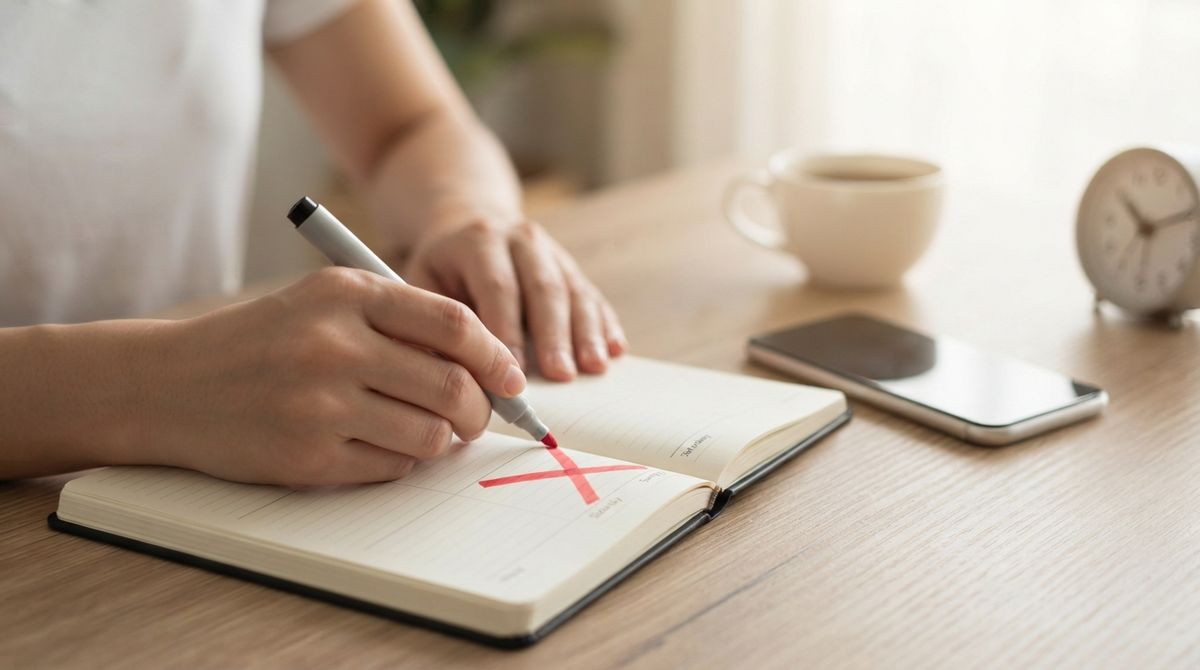
Weekend hobbies can quietly take over a household budget. A new pair of running shoes here, a set of garden tools there and a bag of compost on the way home add up faster than most people expect. The first months often bring a mix of excitement and mild guilt, because every purchase seems justified in the moment but the total is harder to explain at the end of the month.
Learning to balance enjoyment with planning is a skill that develops over time. A confident hobbyist knows which items truly matter, where good value can be found and how to spread costs across the seasons. None of this requires strict austerity. It requires clarity about priorities and a simple method for deciding when a purchase is worth making.
Separating Needs From Wants
Beginners often mix essential items with nice to have extras, which makes it hard to set a sensible limit. A helpful first step is to split the weekend list into two columns, one for items that are needed to take part and one for things that would simply be pleasant to own. A pair of supportive shoes or a basic pair of gloves usually belongs in the first column, while a premium kit with extra features may wait.
Readers may also want to visit Eat Well And Live Long. That pause creates space for reflection and often removes the impulse entirely. Keep the list visible so that the decision is based on the list rather than on the mood of the moment.
Buying Used Equipment Carefully
Secondhand equipment can offer excellent value, but it requires a careful eye. Sports gear should be checked for wear, cracks and fit, and garden tools should be inspected for rust, loose handles and blunt edges. Ask the seller where the item came from and whether any parts were swapped out. A reputable seller will answer those questions openly and will not pressure you into a quick decision.
You can also visit Theleadbelly.com for more reading. These channels often provide better information about condition, and they keep money within the community. Test any equipment as soon as possible after purchase, and keep the receipt in case a problem appears. A little diligence at the start can prevent expensive replacements later in the season.
Planning Seasonal Purchases
Many hobbies follow a seasonal rhythm, which means that certain items are needed at predictable times. Spring may call for planting supplies, while autumn brings a different set of tasks and winter may leave little to buy at all. Mapping those needs across the year helps you spread costs more evenly. A small monthly allowance for the hobby can then cover the planned items without strain.
For a related read on this site, see Monthly Budgets for Weekend Sports and Wellness Spending. Its general approach works well for a mix of sports and garden costs. Once the calendar is in place, unexpected bargains can be judged against the plan. A discount on an item that is already scheduled feels like a genuine saving, while a discount on something unplanned often turns into an expense that was never needed.
Keeping the Weekend Enjoyable
Hobby budgets also benefit from a shared calendar with friends or family who play the same sport or tend the same garden. Pooling purchases can reduce costs, and a shared tool library can save everyone from buying items they will use only once a year. These arrangements build community as well as savings, and they make the hobby feel more social rather than more expensive.
Some hobbyists keep a small reserve for unexpected repairs, such as a torn strap or a broken hose. Setting that reserve aside early keeps the rest of the budget intact. When the reserve is used, the next month’s plan can be adjusted calmly rather than in a hurry.
The point of a hobby is enjoyment, so the budget should support that goal rather than undermine it. Choose one or two items each season that will genuinely improve the experience, and accept that the rest can wait. Small pleasures, such as a good flask of tea after a match or a simple bouquet from the garden, cost very little and add a great deal of satisfaction.
Hobbyists who reach this stage tend to feel more relaxed about their spending. They know which purchases are worthwhile, they can find good value without constant searching and they enjoy their weekends without worrying about the bill. The budget becomes a helpful companion rather than a restriction. That balance is the real achievement of stretching a weekend budget across sports gear and garden supplies. A simple rule that every new purchase must replace something old or fill a clear gap can slow the spending pattern considerably. Hobbies stay enjoyable when the money behind them feels steady and predictable. Small decisions made with that rule in mind tend to add up to a far calmer season.