

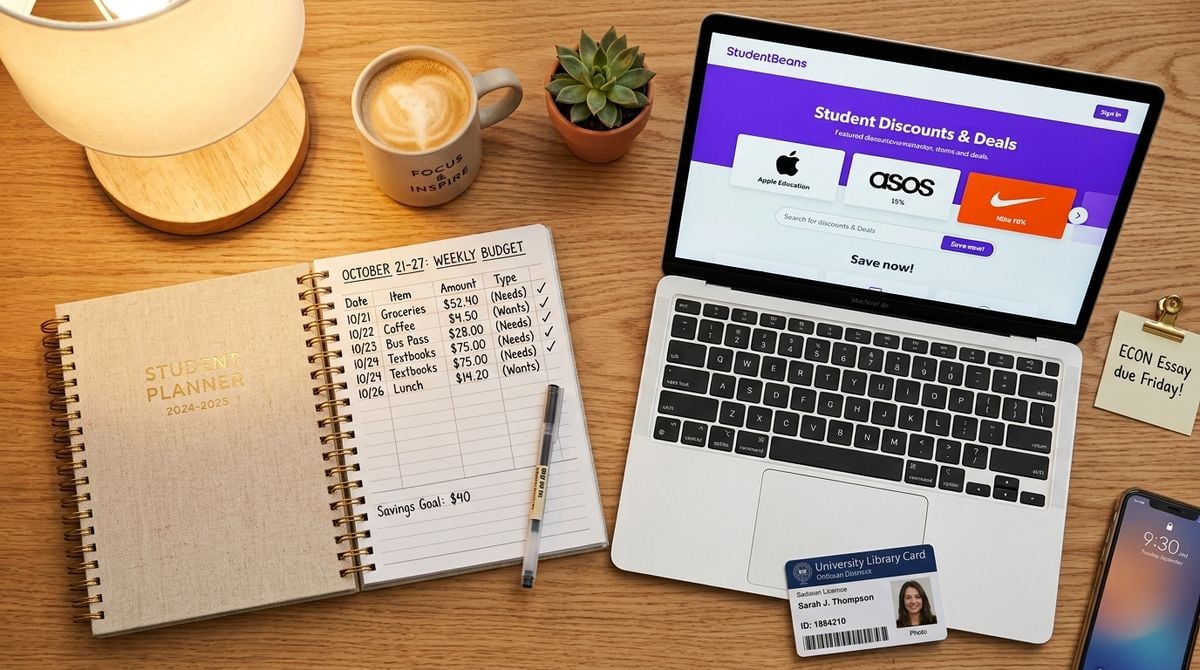
Active people often accumulate a mix of equipment, bottles and small packages that live in gym bags, kitchen drawers and car trunks. Over time, it becomes hard to tell which items are current, which are stored poorly and which were bought on impulse. A careful clear-out makes that collection easier to manage and helps set a realistic budget for the next stage. This article offers general information about tidying sports gear and personal wellness products, with no claims about health or performance.
List Gear and Wellness Products
Begin by gathering all the equipment and personal products into a single area. Include shoes, protective gear, water bottles, supplements and any cannabidiol items that are kept nearby. Write down each item along with its condition, where it is stored and how often it is used. A complete list shows where duplicates have built up and where important gaps exist. Readers may also want to visit mazapoint.net.
Next, note anything that is worn, cracked or damaged. Sports gear with frayed straps or weak fastenings might no longer offer the support it was designed for. Products with cloudy liquids, unusual smells or broken seals should be set aside. Recording these details now prevents confusion later.
Check Labels and Storage
Read the labels on every wellness product and check the storage instructions printed there. You can also visit Fact City for more reading. Keep each item in its original container whenever possible, so the details stay with the product. Store everything in a cool, dry place out of reach of children and pets.
Gear also needs proper storage. Let sweaty clothing dry fully before packing it away, and keep shoes in a ventilated spot rather than a sealed bag. Clean water bottles regularly so they do not carry odors or residue. Good storage habits extend the life of both equipment and personal items.
Sort by Routine
Once everything is listed, group items by how you actually use them during a normal week. Keep the training essentials in your gym bag and store seldom-used items at home. Place wellness products in a dedicated spot so they are easy to find and easy to review. For a related read on this site, see Fixed or Adjustable Mortgage Rates: What Each Choice.
Look for overlap as well. Two similar bottles or two nearly identical gadgets might not both be necessary. Choose the item that fits your routine best and offer the other to a friend or donate it. Simplifying the collection makes daily preparation faster and calmer.
Budget Without Pressure
Spending on sports gear and personal products can add up quickly if it is not tracked. Write down a rough allowance for each category, such as equipment, clothing and personal care. Check the list before every purchase to see whether the item truly fills a need. Treat the budget as a flexible guide rather than a strict rule.
Plan replacements in advance so that worn items do not force rushed buying decisions. Compare options calmly, and consider whether repairs or secondhand purchases might suit your needs. Keeping a small reserve for unexpected replacements reduces stress. A relaxed budget makes it easier to stick with the plan.
Track how each category performs at the end of the week so you can spot patterns early. A quick glance at the list can show where costs crept up and where savings are possible. Adjust the allowance gently instead of making dramatic cuts. Consider setting aside a small buffer for everyday items such as laundry supplies or fresh socks. Small corrections keep the budget honest without making it feel punishing.
Ask a Professional First
Questions about personal wellness products, including timing, dosage or possible interactions with other items, belong with a qualified health professional. Bring your list to that appointment so the conversation is clear and complete. Athletes who train at a high level might also want advice from a coach or a sports medicine specialist. General reading can help you organize questions, but it cannot replace individual guidance.
Rules for these products differ from place to place, so check current local guidance before buying or using anything new. Official public sources are a sensible starting point. Keep notes of what you learn so that the information is easy to share with others who help you.
Share the plan with anyone who helps you buy supplies so that everyone understands the priorities. Agree on a simple way to flag urgent replacements before they become emergencies. Keep a short list of trusted local shops or secondhand options for quick comparisons. A little coordination protects the budget and reduces stress when something breaks unexpectedly. Revisit these arrangements whenever your training schedule changes.
A clear-out of sports gear and wellness products brings order to a busy routine. Listing items, checking labels, sorting by use, planning a realistic budget and seeking professional guidance all help keep the collection useful. Each step is simple, yet together they make preparation smoother and spending more intentional. The next stage of training can then begin with a space that supports your goals.