

Athletes and active people often spend money on gear, training fees and recovery items, and those costs can drift upward without much notice. A seasonal checkpoint keeps the budget honest while still leaving room for the things that support training. The aim is clarity, not restriction, so you can see where money goes and decide what deserves a place in your plan.
This article offers general budgeting ideas for people who take part in sports and also buy wellness products, including CBD items where they are legal. It does not give medical advice or suggest that any product will improve performance. The checkpoints below help you plan purchases, compare options and avoid impulse buying during busy seasons.
Pre-Season Budget Planning
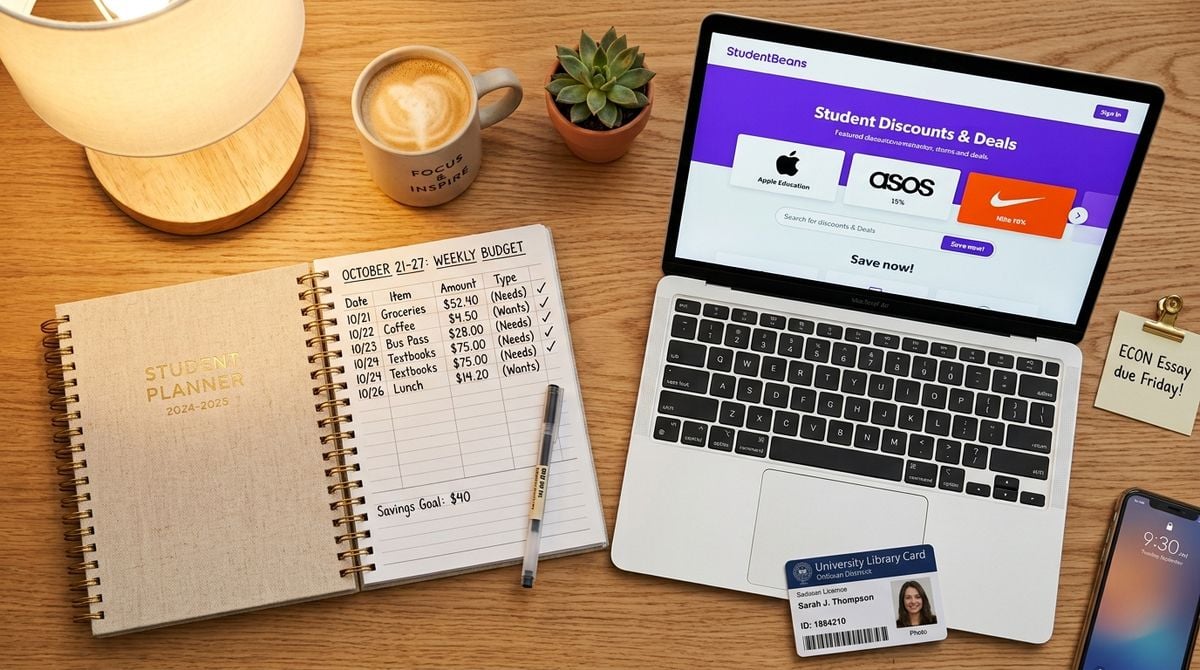
Before a new sports season begins, list the expected costs in one place. Include equipment, registration fees, travel, uniforms and any wellness products you already use. Estimate a monthly figure for each category, then total the lot so you can see the whole picture at a glance.
Next, separate needs from wants. Shoes, protective gear and required equipment belong in the needs column, while extras such as premium accessories sit in the wants column. Decide in advance how much of the wants column you can afford, and write that amount at the top of your plan.
Readers may also want to visit topsmnews.com. Those sources can help you judge whether a particular purchase is necessary for your level.
Mid-Season Purchase Reviews
Once the season is underway, check spending every two or three weeks. Compare the actual amounts with the plan, and note any category that is growing faster than expected. This simple habit catches overspending early, before it becomes a larger problem.
Wellness products deserve the same scrutiny as any other purchase. Read labels carefully, check ingredient lists and be cautious about claims that sound too strong to be true. You can also visit Product Items for more reading.
Avoid buying in a rush after a tough practice or a disappointing game. Waiting a day before a purchase gives you time to decide whether the item truly fits your plan. Many athletes find that the urge fades quickly once they step away from the screen.
Off-Season Gear and Savings Goals
The off-season is the best time to review equipment condition and decide what needs replacing. Clean and inspect items, repair what can be fixed and list anything that must be replaced. Replacing gear only when it is needed prevents surprise costs during the next busy period.
Use the quieter months to build a savings buffer. Set aside a fixed amount each week for upcoming registrations or travel. A small, steady habit can cover larger expenses without forcing you to borrow or stretch a budget.
For a related read on this site, see Building a Simple Monthly Money Review Habit.
Making the Checkpoints a Habit
Spending checkpoints work best when they fit naturally into your routine. Schedule a short review on the same day each month, and keep the plan somewhere easy to find. A few minutes of attention each season can prevent a lot of stress.
Remember that the goal is to support your training, not to strip away everything you enjoy. A balanced plan leaves room for essential gear, reasonable recovery habits and occasional treats. Over time, the checkpoints help you spend with confidence and focus on what matters most on the field.
Consider the timing of purchases in relation to your training calendar. Buying a piece of gear just before a major event can be sensible, while waiting until a quieter period may bring a better choice at a lower price. Write down the key deadlines in your plan, and check them each month so purchases line up with actual needs.
Think about shared costs as well. Teams often split the price of travel, registration or group equipment, and clear agreements make that process fair. Keep a simple record of who paid for what, and settle any balances promptly so that money never becomes a source of tension.
Track the difference between what you planned and what you spent over the whole season. A short summary at the end of the season shows which categories were accurate and which need more room next time. That summary becomes the starting point for a smarter plan the following season.
Finally, protect the flexibility you need for unexpected costs. An injury, a broken piece of equipment or a last-minute trip can disrupt even a careful plan. Keeping a small reserve in your budget gives you the calm to handle surprises without making rushed or regrettable decisions.
Consider the balance between recovery and spending as well. Foam rollers, rest days and sleep routines often cost little or nothing, and they can be built into the plan at no extra expense. Choosing these low-cost habits first leaves more room in the budget for the equipment and fees that truly support your training.
Keep a notebook of questions to research before any larger purchase. Write down what you need to know about materials, fit, warranty terms and return policies, then take time to find clear answers before deciding.