

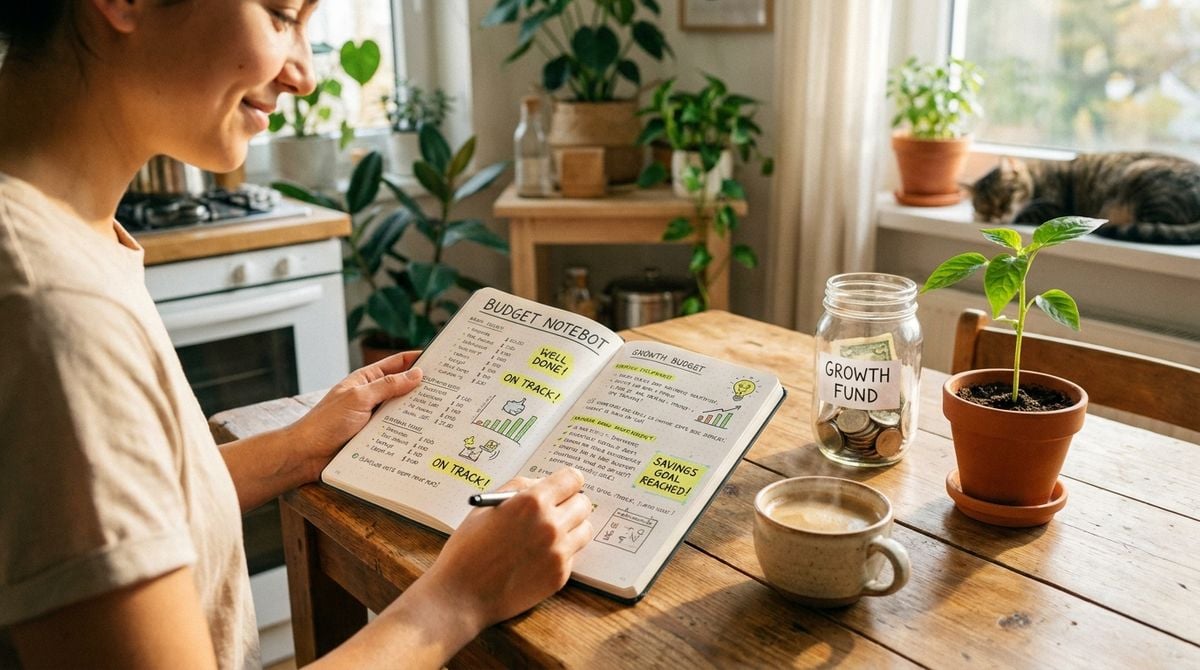
A household that loves weekend sports and backyard gardening often finds that both hobbies compete for the same money and time. Equipment, registration fees and travel can crowd out seeds, soil and tools. A clear budget that treats both hobbies fairly keeps the weekends enjoyable for everyone. Many families discover that the friction is less about the amounts than about who makes the decisions. Talking about priorities early can prevent most arguments before they begin. This article offers general planning steps for a personal budget that includes sports and gardening, focusing on priorities, timing, sharing, tracking and seasonal review. It is general information rather than financial advice, and each household knows its own limits best.
Listing Both Hobbies Honestly
Start by writing down every cost linked to each hobby over a typical year. For sports, include fees, uniforms, equipment replacements, travel and snacks at events. For gardening, include seeds, plants, soil, containers, tools and water. Readers may also want to visit clipchamp. Mark which costs are fixed and which change with the weather or the calendar. Look for overlaps, such as shared transport or bulk purchases that could serve both hobbies. Ask each family member to add the costs they usually forget, such as replacement gloves or extra water. Note which costs happen once a year and which happen every month. An honest list is the starting point for any fair split between the two interests.
Setting Seasonal Priorities
Hobbies have busy and quiet seasons, so the budget should follow the calendar rather than a flat monthly amount. Plan larger sports costs for the months when registration and equipment are needed, and place garden spending in the months when planting begins. You can also visit AnswerPrime for more reading. Decide which items are essential and which can wait for a better moment. Set a rough limit for each hobby in each season, and review it every few weeks. Build in a small reserve for surprises, such as a torn jersey or a late frost that damages young plants. Store the reserve in a separate line of the budget so it is never mixed with daily spending. Seasonal priorities keep one hobby from draining the other when the calendar gets crowded.
Sharing Equipment and Time Wisely
Sharing can reduce costs without reducing enjoyment. Look for used equipment, community swaps and seed exchanges that suit your schedule. For a related read on this site, see Building a Savings Plan Before a Major Career. Coordinate weekend plans so that one trip covers a game and a nursery stop when possible. Use a shared calendar so everyone can see the plan for each weekend. Share transport among families where that makes sense, so fuel costs are divided fairly. Keep a shared shelf or bin for equipment that several people use, so nothing gets lost between games. Label each item with the name of its owner, so returns are simple. Shared resources free up money for the items that matter most to each person in the household.
Tracking Spending Without Stress
Track spending in a simple shared sheet, with one column for sports and one for gardening. Record each purchase as soon as it happens, and note the reason for it. Review the totals on the first weekend of every month, and compare them with the plan. Check that the list of planned purchases still matches the calendar. If one hobby runs over, discuss the change openly and agree on a small adjustment. Keep the tracking short and friendly, since complicated systems often get abandoned after a few weeks. Add a note whenever a purchase is a gift or a one-off, so the regular totals stay accurate. Keep gift costs in their own column, so they do not distort the monthly view. Steady tracking gives everyone a clear picture without arguments about who spent what.
Making Room for Rest and Fun
Budgets work best when they leave space for enjoyment. Set aside a small amount each month for a treat that belongs to neither hobby, such as a picnic or a family outing. Protect at least one weekend morning from scheduled activities, so there is time to relax. Celebrate a good harvest or a strong season with a small, planned reward. Balanced weekends keep the household motivated through busy stretches. Keep a short list of cheap, fun weekend ideas for days when the calendar feels full. Let each person choose one treat per season, so the budget feels fair to everyone. Agree on the treat list at the start of the season, so choices are made calmly. A budget that feels fair is far easier to maintain over the long run.
Reviewing the Plan at Season’s End
At the end of each season, compare actual spending with the plan and note what surprised you. Adjust the limits for the next season, and share the results with everyone in the household. A balanced approach grows stronger with each year of practice. Celebrate the seasons that felt balanced, because they show what the household does well.