

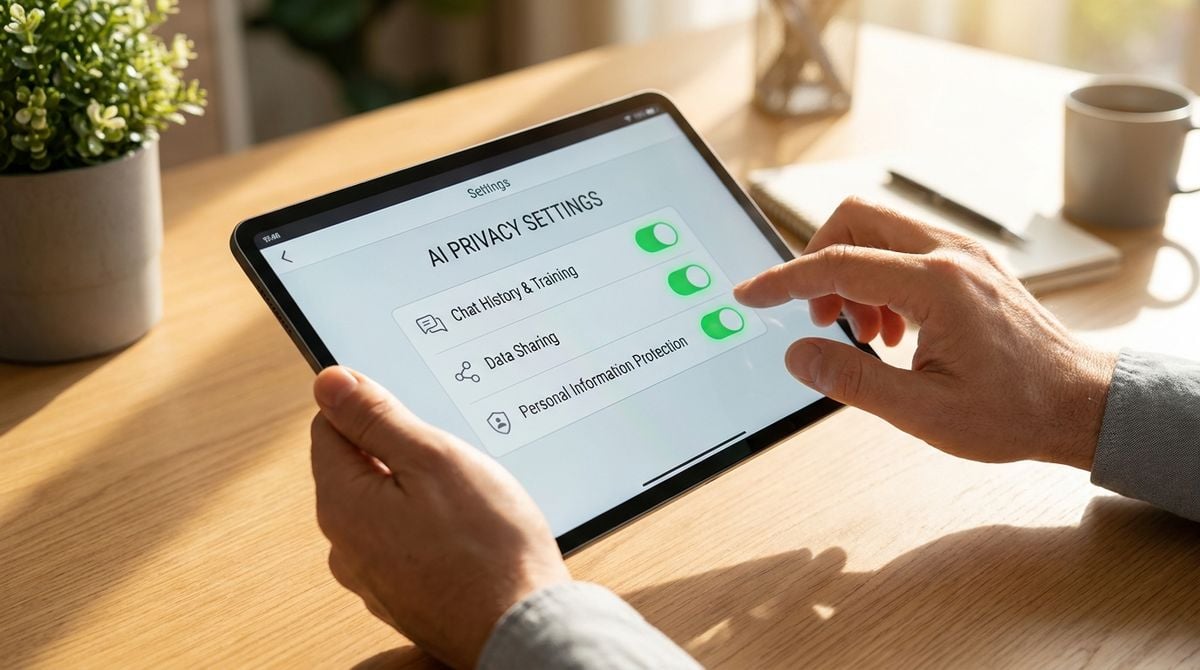
Most people check their bank balance only when a payment fails or a card is declined. By then, an unusual charge may have been sitting unnoticed for days. Account alerts send a short message when money moves, which turns a passive statement into an early warning that is easy to act on from a phone.
Nearly every bank and card provider offers some form of notification, though the names and settings differ from one provider to the next. The notes below describe how to choose useful alerts, set sensible limits and build a short weekly habit. The steps are general information about everyday account security and do not replace advice from your provider or a qualified professional.
Choosing Which Alerts Matter Most
Start with the alerts that cover the most risk. A notice for every card transaction and a notice for any transfer out of savings are usually the most helpful pair. Add an alert for changes to the account contact details, since a changed phone number or email address is a common warning sign that deserves immediate attention.
Look through the settings menu for options that are easy to miss. Some providers also offer alerts for failed sign-in attempts, which can reveal a problem before any money moves. Readers may also want to visit drfoxvet.net. Turn on only the alerts you will actually read, so that important messages stand out from the routine ones and do not get lost in a crowded inbox.
Setting Thresholds Without Alert Fatigue
Most apps let you set a minimum amount that triggers a message. A very low threshold floods the inbox and trains you to ignore every notice, which defeats the purpose. A very high one may hide a charge you needed to see, so the right setting sits between those extremes.
You can also visit dogs-info.net for more reading. Note how many alerts arrived and how many felt genuinely useful. Use that record to fine-tune the threshold rather than guessing, and keep the change in your notes so you remember why it was made.
Reviewing Alerts Each Week
Set a fixed time each week to scan the alerts and compare them with your own records. Check that each charge matches something you remember buying, and mark any surprise for follow-up. A charge you cannot place should be flagged the same day, while the details are still fresh. A few minutes on the same day each week keeps the review from slipping, and it turns the alerts into a routine rather than a reaction. Pairing the review with another weekly habit, such as paying a bill, makes it harder to forget.
For a related read on this site, see Scanning Paper Receipts With a Phone at Tax. Searching a date range is faster than scrolling a long list, and it helps confirm a suspicious item in seconds. Save a screenshot of anything that needs to be shared with the bank, since the screenshot becomes part of your record. Store screenshots in a dated folder so that they are easy to find if a dispute continues for several weeks.
Protecting Login Details
Alerts work best when the account itself is secure. Use a unique password for each financial login and store it in a password manager rather than in a note on the phone. Choose a long passphrase for the email account that controls the password resets, since it is the most valuable login of all. Turn on the provider’s two-step verification if it is offered, so that a stolen password alone is not enough to reach the account.
Keep the email address linked to the account private and secure, because it often receives the reset links. Avoid sending card numbers or login codes through a message thread, since no legitimate provider needs them that way. These habits reduce the chance that an alert arrives after someone else has already gained access.
What To Do When an Alert Looks Wrong
If a charge appears that you do not recognize, contact the provider through the phone number or secure message center printed on the card, not through a link in a message. Explain the amount and date, and ask how to dispute the item. Ask whether a temporary card block is possible while the matter is reviewed. Most providers have a set process for reviewing unfamiliar transactions, and acting quickly usually helps.
Write down the time of the call, the name of the representative and the reference number. Keep copies of any messages or screenshots. A clear record makes follow-up faster if the first answer is unclear, and it gives you something to show if the question needs a second look. A calm tone during the call tends to produce clearer answers than a rushed one.
Alerts as a Quiet Safety Net
Account alerts cost nothing to switch on and take only a few minutes to set up. A short weekly review and a few simple security habits turn them into a dependable safety net. The result is less worry and a faster response when something truly needs attention, which is the whole point of the tool.