

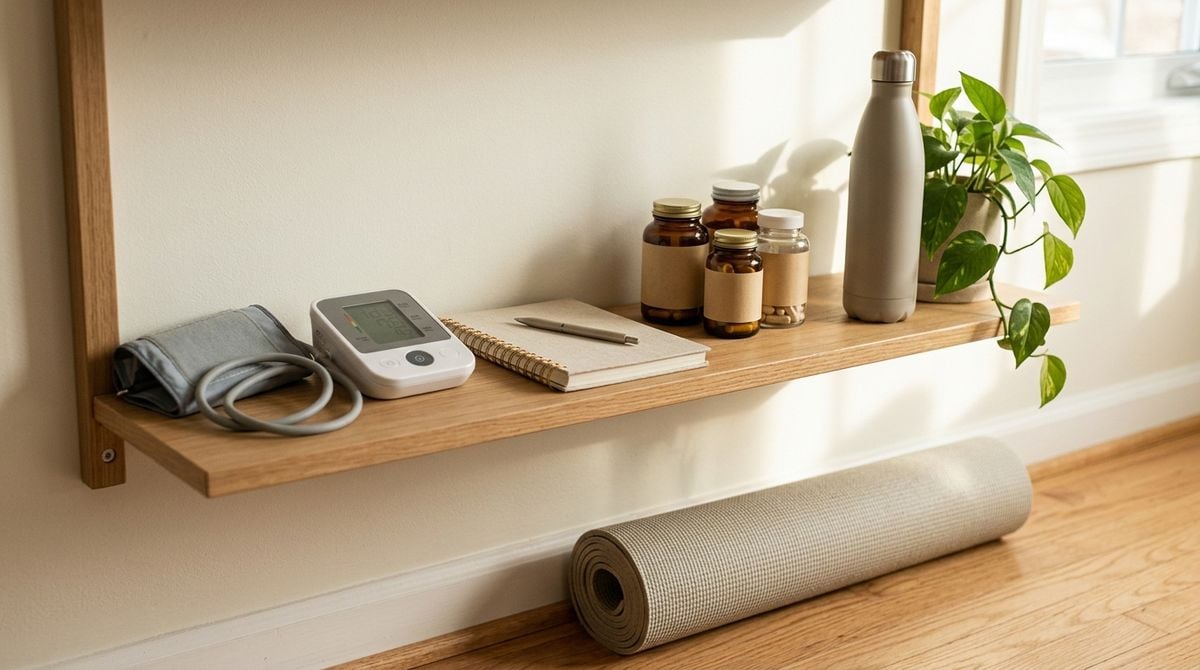
Maintaining an active physical lifestyle is one of the most rewarding commitments an individual or household can make. However, the modern fitness landscape frequently encourages endless spending on specialized studio memberships, boutique classes, complex workout accessories, and recurring service charges. When left unmanaged, these minor costs can quietly accumulate, placing unnecessary friction on a broader household budget. Establishing an intentional spending strategy allows you to support physical vitality while keeping household finances balanced and predictable.
The primary purpose of a wellness budget is not to eliminate joyful movement or strip away tools that keep you motivated. Instead, it is about identifying which habits genuinely serve long-term vitality and separating them from commercial marketing pressures. By creating clear spending boundaries and focusing on functional daily habits, you can cultivate a sustainable routine that protects both your physical energy and your household ledger.
Categorizing Fixed and Flexible Wellness Expenses
A structured financial plan begins with complete visibility over where money goes each month. When reviewing wellness outlays, it helps to divide recurring costs into fixed and flexible obligations. Fixed costs typically include base gym memberships, community recreation passes, or digital training applications. These are predictable charges that recur every billing cycle, making them straightforward to track but easy to overlook if your attendance begins to decline.
Flexible costs, on the other hand, include running shoes, athletic apparel, replacement resistance bands, and occasional recovery items. Because these purchases occur intermittently, they are often where household budgets drift off course. Applying established methods for lowering household costs through fewer impulse buys helps create an intentional pause before purchasing new athletic apparel or novelty fitness products that may end up unused in a storage closet.
To manage flexible spending effectively, allocate a modest monthly allowance specifically designated for equipment upkeep and gear replacement. Establishing dedicated sinking funds ensures that the sudden need for fresh running footwear or seasonal training clothing does not disrupt other household savings priorities.
Prioritizing Foundational Health over Costly Trends
A frequent pitfall in personal health spending is confusing commercial complexity with genuine physical improvement. Promotional campaigns frequently suggest that peak vitality requires proprietary elixirs, expensive detoxification regimens, and specialized performance beverages. In reality, biological well-being relies far more on simple, foundational daily practices such as regular sleep, consistent hydration, and balanced whole foods.
When organizing your personal health priorities, exploring educational material from online platforms like Taking Care of My Liver can help clarify how everyday physical care, smart nutritional choices, and metabolic rest work together without the need for high-priced commercial products. Understanding that the human body already possesses sophisticated systems for recovery and waste elimination helps eliminate unnecessary supplement expenditures from your monthly ledger.
Directing household resources toward basic dietary staples—such as seasonal vegetables, lean proteins, and complex carbohydrates—delivers vastly superior financial and physical returns compared to purchasing branded health concoctions. Protecting your foundational wellness should simplify your spending, not complicate it.
Blending Complementary Disciplines on a Sensible Budget
A well-rounded fitness program often combines cardiovascular endurance, resistance training, and mobility work. Unfortunately, commercial fitness models often separate these disciplines into distinct, costly facilities: an athletic track fee in one place, a weightlifting gym in another, and a private yoga studio somewhere else. Maintaining multiple specialized memberships concurrently can strain even a generous household budget.
Rather than subscribing to multiple single-discipline studios, consider designing an integrated cross-training schedule that incorporates open-air workouts and home practice alongside standard gym access. For practical approaches to blending different modalities like strength training, running, and mindful stretching into a unified routine, resources at runliftyoga.com offer helpful perspective on how individuals can balance varied physical disciplines without overcomplicating their daily schedule.
By utilizing local parks for cardiovascular conditioning, leveraging community facilities for heavy strength training, and relying on open living space for restorative mobility, you can achieve comprehensive physical balance at a fraction of the cost associated with boutique fitness studios.
Building a Functional Home Recovery Routine
Physical recovery is an essential component of any active lifestyle, yet commercial wellness clinics increasingly market costly cryotherapy sessions, infrared saunas, and mechanical massage appointments. While these amenities can be enjoyable, an effective and restorative recovery routine can easily be maintained at home using durable, low-cost tools.
Investing once in a few versatile recovery accessories can provide long-lasting utility without recurring service fees. Consider focusing your initial equipment purchases on items that address multiple areas of mobility and tissue release:
- A firm foam roller for spinal extension and broad muscle relaxation
- A dense rubber mobility ball for targeted trigger point relief
- A set of elastic loop bands for active joint warm-ups and stabilization exercises
- A non-slip exercise mat to create a clean, dedicated space for daily stretching
These basic implements take up minimal space and require no recurring subscriptions or electrical power. Integrating a short period of dedicated floor work into your evening routine supports joint longevity and muscle repair far more reliably than an occasional, expensive spa appointment.
Auditing Subscriptions and Seasonal Movement Routines
Personal fitness habits are rarely static throughout the year. Weather patterns, family commitments, and seasonal shifts naturally alter how and where we prefer to exercise. Despite these natural fluctuations, many households maintain active memberships that go completely unused during certain periods of the year.
Conducting a regular quarterly audit of your health and fitness subscriptions ensures your monetary outflow matches your current lifestyle. If warm weather encourages outdoor jogging and bodyweight training in community parks, placing an indoor facility membership on temporary hold can yield immediate savings. Conversely, when cold winter weather limits outdoor recreation, reinstating an indoor membership makes practical financial sense.
Look closely at digital subscriptions as well. Fitness applications, streaming workout channels, and tracking services often feature trial periods that convert into automatic recurring charges. Reviewing your bank statements each quarter helps identify and cancel underutilized digital services, freeing up resources for tangible health priorities.
Building a sustainable wellness budget is fundamentally about aligning your financial resources with what genuinely nurtures your physical resilience. When you strip away commercial pressures and focus on consistent movement, proper rest, and versatile equipment, health becomes an empowering, affordable cornerstone of daily life rather than a recurring financial burden.